The world’s largest online family history resource - Start now


RECENT POSTS
-
Understanding Civil Records in Germany -
Following Eastern Ukrainian DNA to North Dakota, USA -
How to Uncover the Women Who Built History -
Tracing the Legacy of Historically Black Colleges and Universities
GET THE LATEST
New posts + monthly newsletter.
RECENT POSTS
GET THE LATEST
New posts + monthly newsletter.
Key Takeaways
- Discover new historical record collections added to Ancestry to help you make breakthroughs in your family history research.
- Learn about existing collections that have been recently updated with new images and indexed information for richer searching.
- Explore new and updated records covering a wide geographic range, including the U.S., U.K., Canada, and world archives.
Did you know that Ancestry adds an average of more than 200 new collections to our website each year? The newest historical records on Ancestry continue to expand the range of information available to family history researchers worldwide.
How to Find the Newest Record Collections
When you're logged in on Ancestry and viewing your homepage, look for the “Tools and resources” box on the right side to see the list of new and updated collections. You can filter that list if you’re focusing your research on a particular country like the United Kingdom, Canada, Germany, or France.

You can also visit the Card Catalog to learn what’s new in the Ancestry record collection database. Sort the list of titles by “date added” or “date updated” to hone in on the latest items.
Remember that the “new” tag next to a collection title only appears for a limited period, usually two months, so you may want to check the listings regularly to see if any updates apply to your areas of interest.
What Does “Updated” Next to a Collection Title Mean?
In addition to new collections, Ancestry updates an average of another 250 collections each year. These are equally crucial to family history researchers and are labeled “updated.”
Several reasons may prompt the updated status to appear next to the title. Here are the most common ones:
- Additional states or volumes have been scanned and added to a collection. For example, the number of states included in the Korean Draft Card collection continues to grow.
- An existing collection may be re-indexed or reprocessed because technology improvements can improve the results, allowing for additional extraction of names or other data. For example, the Freedmen's Bureau Records is a challenging collection of records because it contains a wide variety of subcategories. However, ongoing improvements in technology and indexing processes can help extract more of the data from this rich collection.
- Older records that were private may have had their restrictions lifted, making more documents available to the public. For example, records in the London, England, Church of England Births and Baptisms, 1813-1924 collection are required to remain private, or unavailable, for 100 years. Each year, this database is updated to include records that now fall outside of that 100-year restriction.

Frequently Updated Collections on Ancestry
Collection titles that include “-current” may be updated regularly as new information is released. Here’s a sampling of collections updated throughout the year:
- Global Newspapers.com Marriage and Obituary Indexes
- U.S., Newspapers.com™ Marriage Index, 1800s-current
- U.S., Newspapers.com™ Obituary Index, 1800s-current
- UK and Ireland, Newspapers.com™ Marriage Index, 1800s-current
- UK and Ireland, Newspapers.com™ Obituary Index, 1800s-current
- Australia and New Zealand, Newspapers.com™ Marriage Index, 1800s-current
- Australia and New Zealand, Newspapers.com™ Obituary Index, 1800s-current
- Canada, Newspapers.com™ Marriage Index, 1800s-current
- Canada, Newspapers.com™ Obituary Index, 1800s-current
- Global Obituary Collections
- Global Find a Grave Indexes
- U.S., Find a Grave® Index, 1600s-Current
- UK and Ireland, Find a Grave® Index, 1300s-Current
- Canada, Find a Grave® Index, 1600s-Current
- Australia and New Zealand, Find a Grave® Index, 1800s-Current
- Sweden, Find a Grave® Index, 1800s-Current
- Norway, Find a Grave® Index, 1800s-Current
- Mexico, Find a Grave® Index, 1800s-Current
- Germany, Find a Grave® Index, 1600s-Current
- Italy, Find a Grave® Index, 1800s-Current
- Brazil, Find a Grave® Index, 1800s-Current
- Global, Find a Grave® Index for Burials at Sea and other Select Burial Locations, 1300s-Curren
To learn more about what may have been updated for a specific collection, check the collection description. Details about the update may be at the bottom of the page. For instance, here’s what you’ll see at the bottom of the page for U.S., School Yearbooks, 1900-2016:

What New Family History Research Sources Might You Find?
Whether you’re a long-time Ancestry member or just starting to explore your family’s story, be sure to check out the latest collections and updates. You may discover a brand-new or updated one that helps you learn more about your family or the community in which they lived. Not yet an Ancestry subscriber? Sign up today for a free trial.
RELATED POSTS
-
 13 March 2026Understanding Civil Records in Germany
6 MIN READ
-
 10 March 2026Following Eastern Ukrainian DNA to North Dakota, USA
3 MIN READ
-
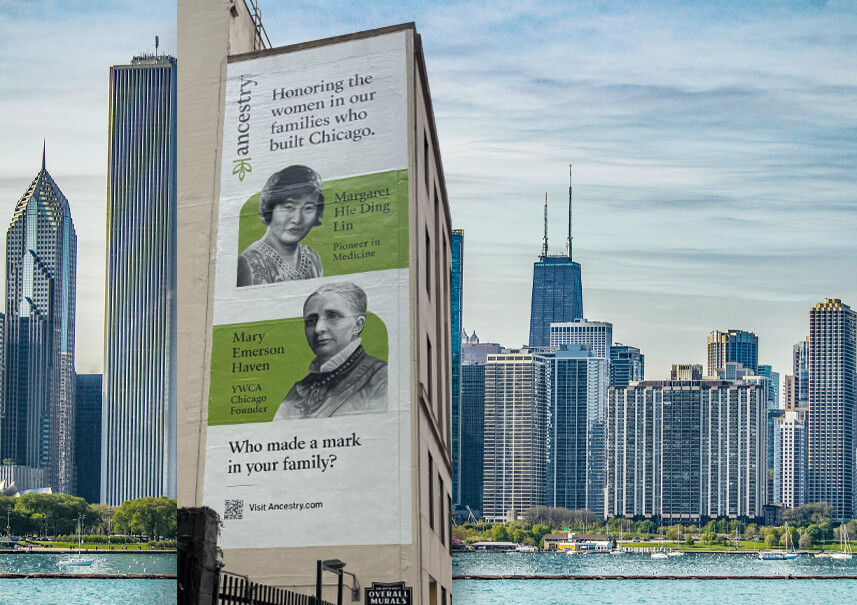 04 March 2026How to Uncover the Women Who Built History
3 MIN READ
-
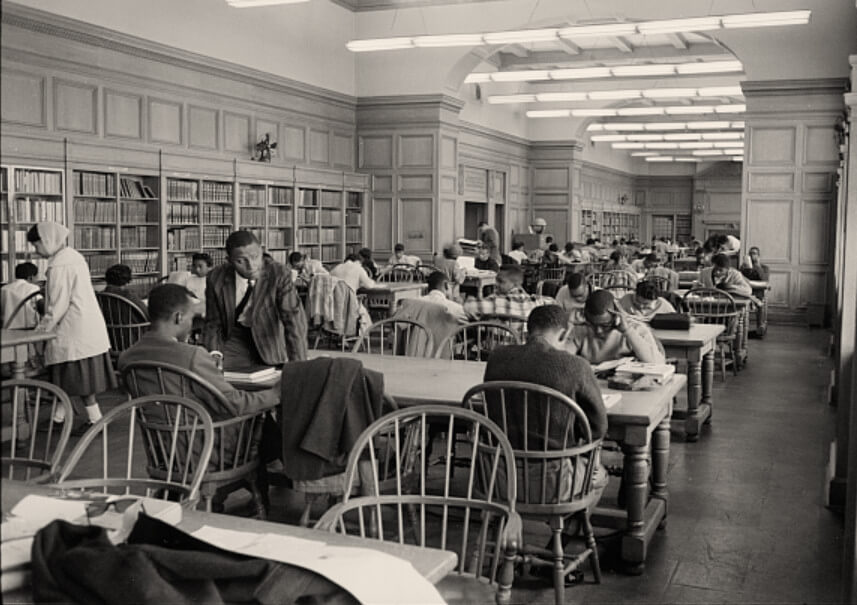 26 February 2026Tracing the Legacy of Historically Black Colleges and Universities
5 MIN READ
-
 24 February 2026Finding Your Roots: “Artistic Roots” with Spike Lee and Kristin Chenoweth
2 MIN READ
-
 23 February 2026Looking Ahead to RootsTech 2026, Reflecting on 2025 Achievements
3 MIN READ
-
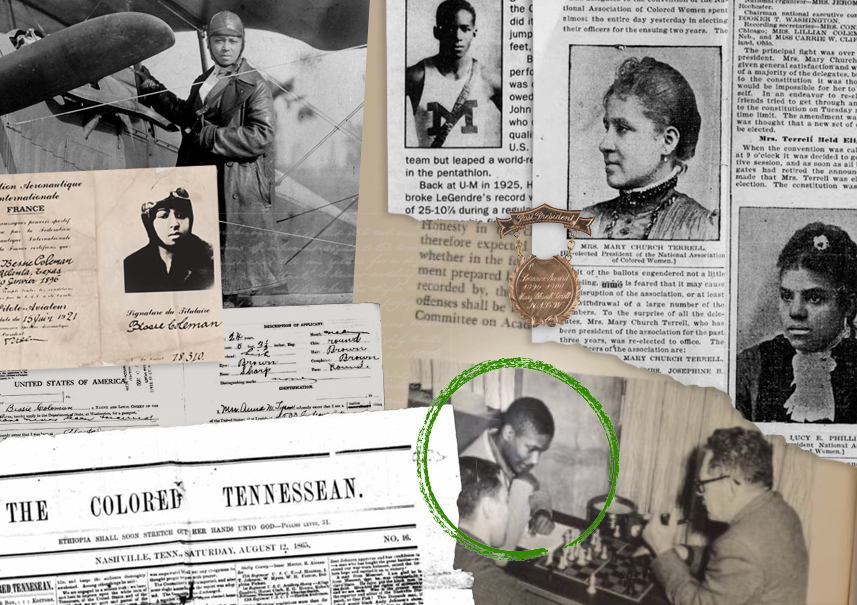 19 February 2026Discover Stories of Black History in Your Family Tree This Month
3 MIN READ
-
 17 February 2026Finding Your Roots: “Family Harmonies” with Flea and Lizzo
2 MIN READ
-
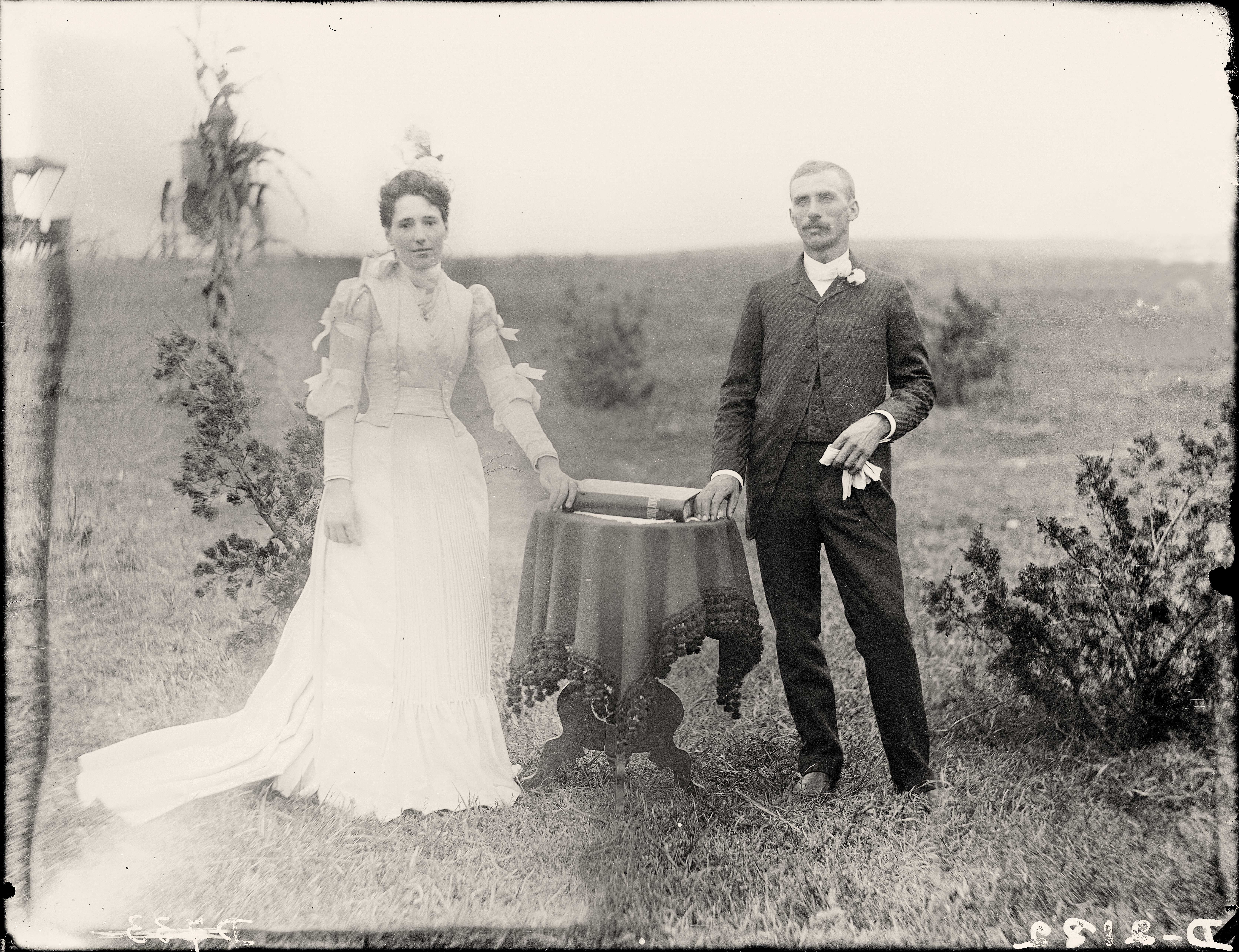 13 February 2026Did Your Great-Grandparents Date Through the Newspaper?
3 MIN READ
-
 10 February 2026Finding Your Roots: “Westward Bound” with Sara Haines and Tracy Letts
2 MIN READ
-
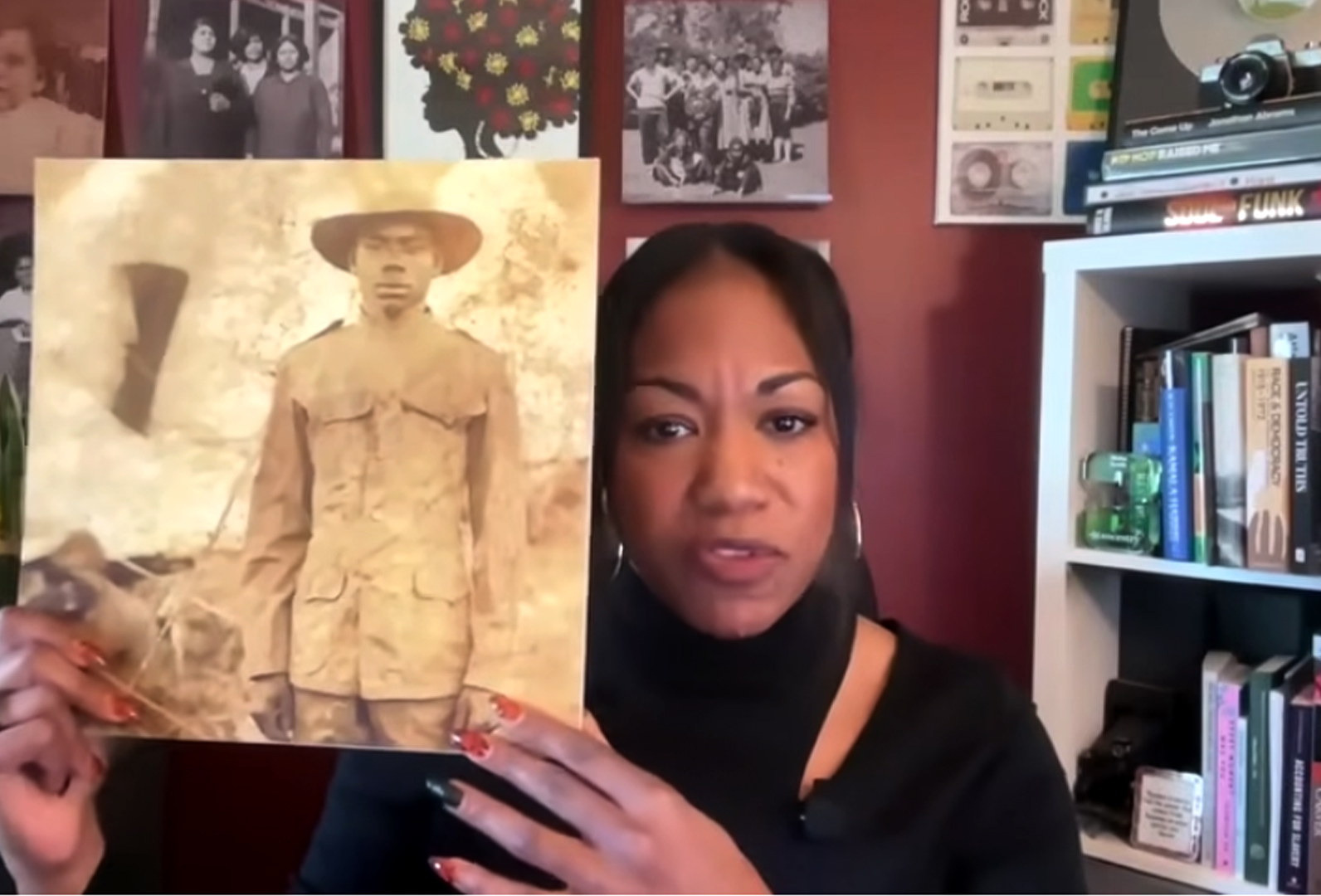 08 February 2026Webinar Series: Researching African American Ancestors
2 MIN READ
-
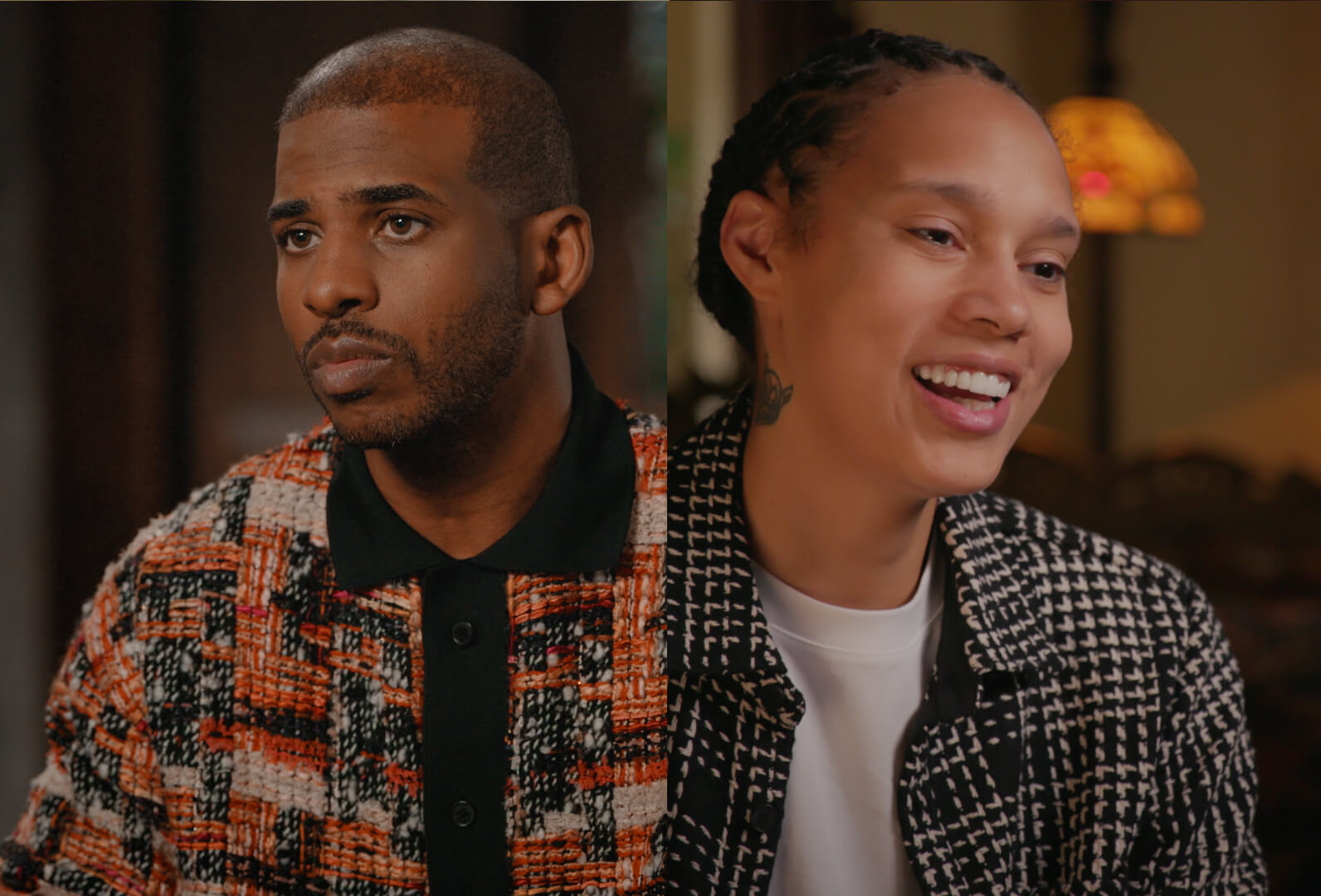 05 February 2026Finding Your Roots: “Love & Basketball” with Brittney Griner and Chris Paul
2 MIN READ
-
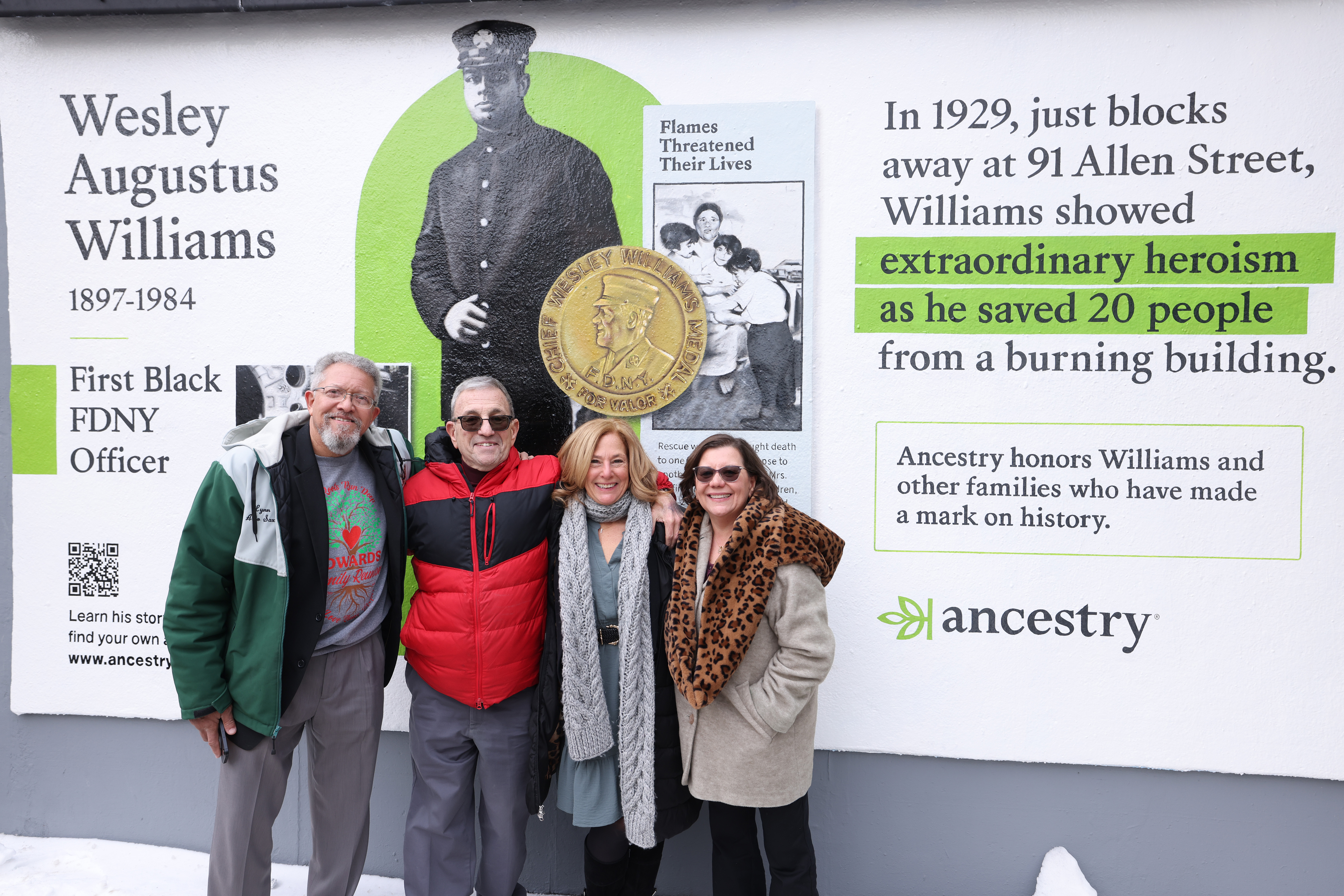 03 February 2026Ancestry Reunites Descendants of FDNY Hero and the Family He Saved
2 MIN READ
-
 27 January 2026Finding Your Roots: “The Road We Took” with Lizzy Caplan and Hasan Minhaj
2 MIN READ
-
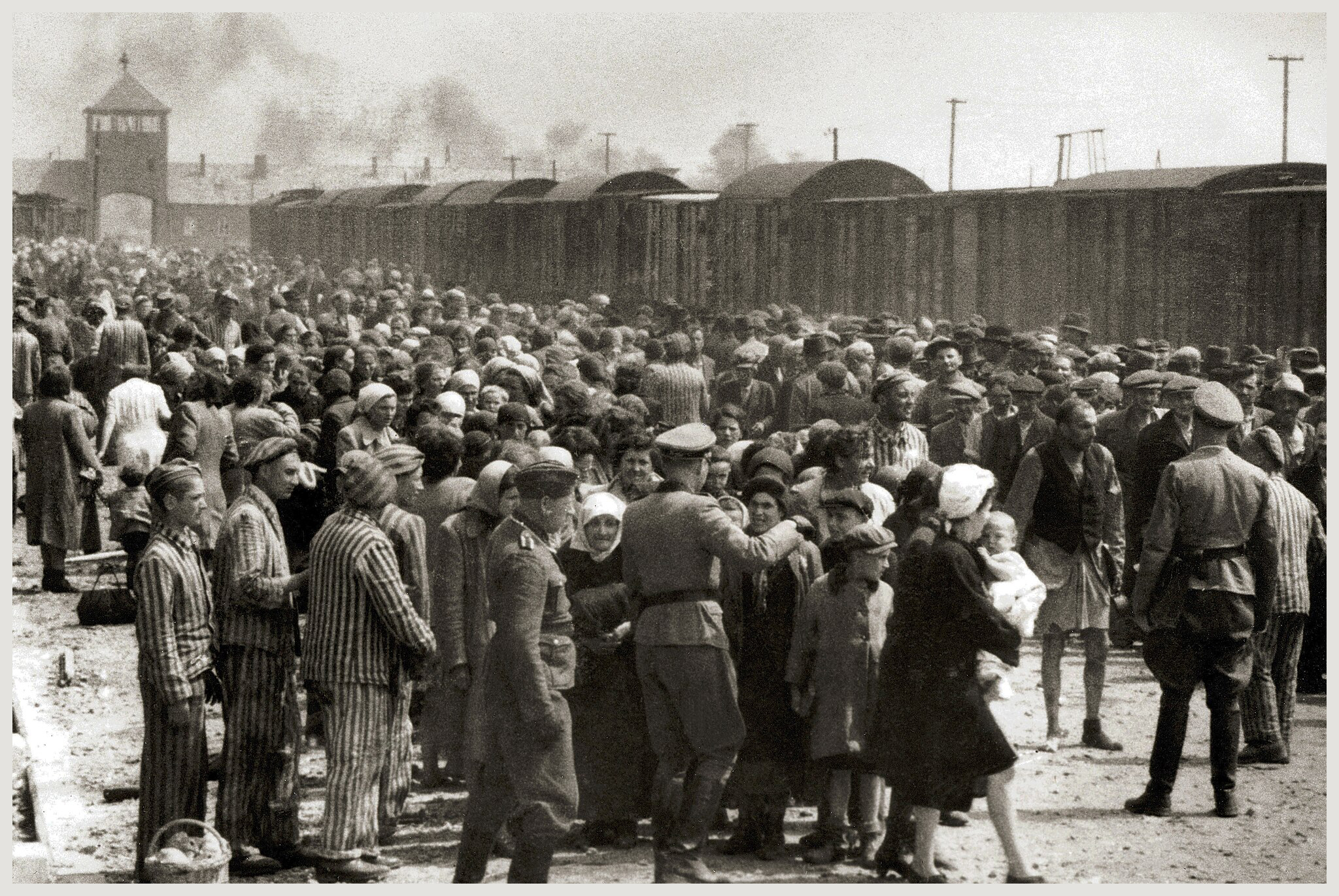 23 January 2026Honoring the Unforgettable: A Personal Path to Remembrance
2 MIN READ
-
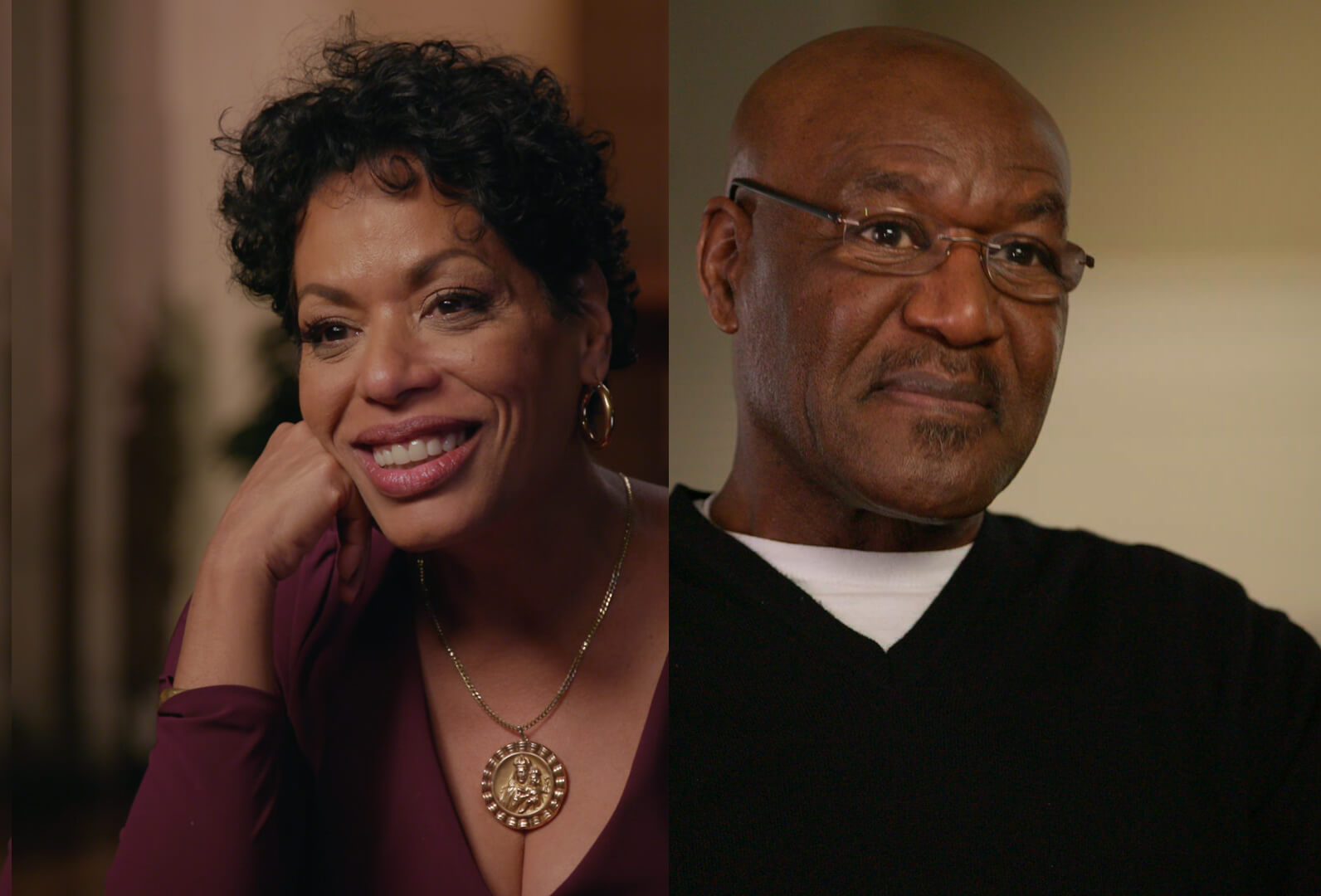 20 January 2026Finding Your Roots: “Caribbean Roots” with Liza Colón-Zayas and Delroy Lindo
2 MIN READ
-
 16 January 2026Celebrating Martin Luther King Jr. Day
3 MIN READ
-
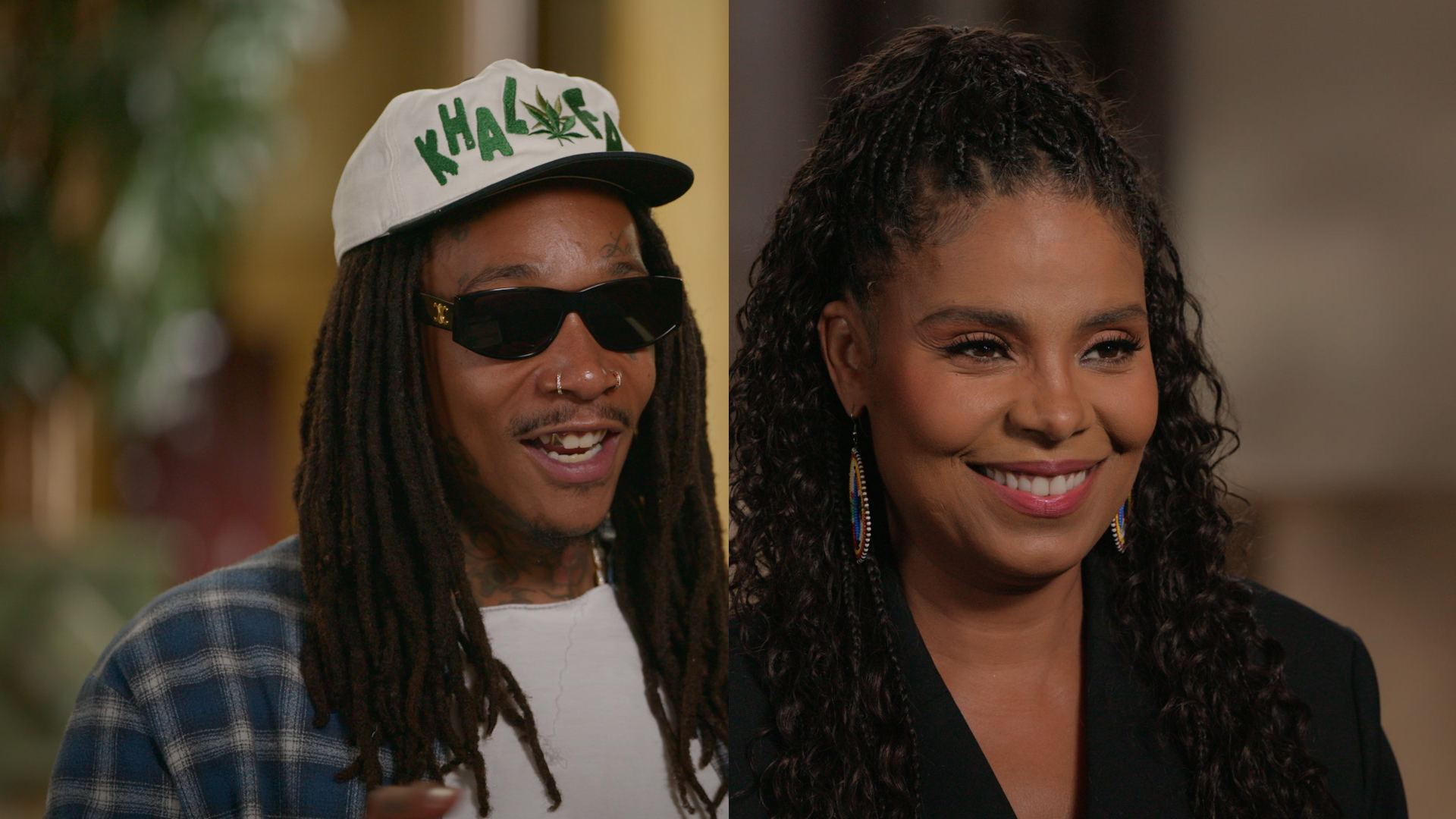 13 January 2026Finding Your Roots: “Great Migrations” with Wiz Khalifa and Sanaa Lathan
2 MIN READ
-
.jpg) 02 January 2026Finding Your Roots Season 12 Premiere
02 January 2026Finding Your Roots Season 12 Premiere2 MIN READ
-
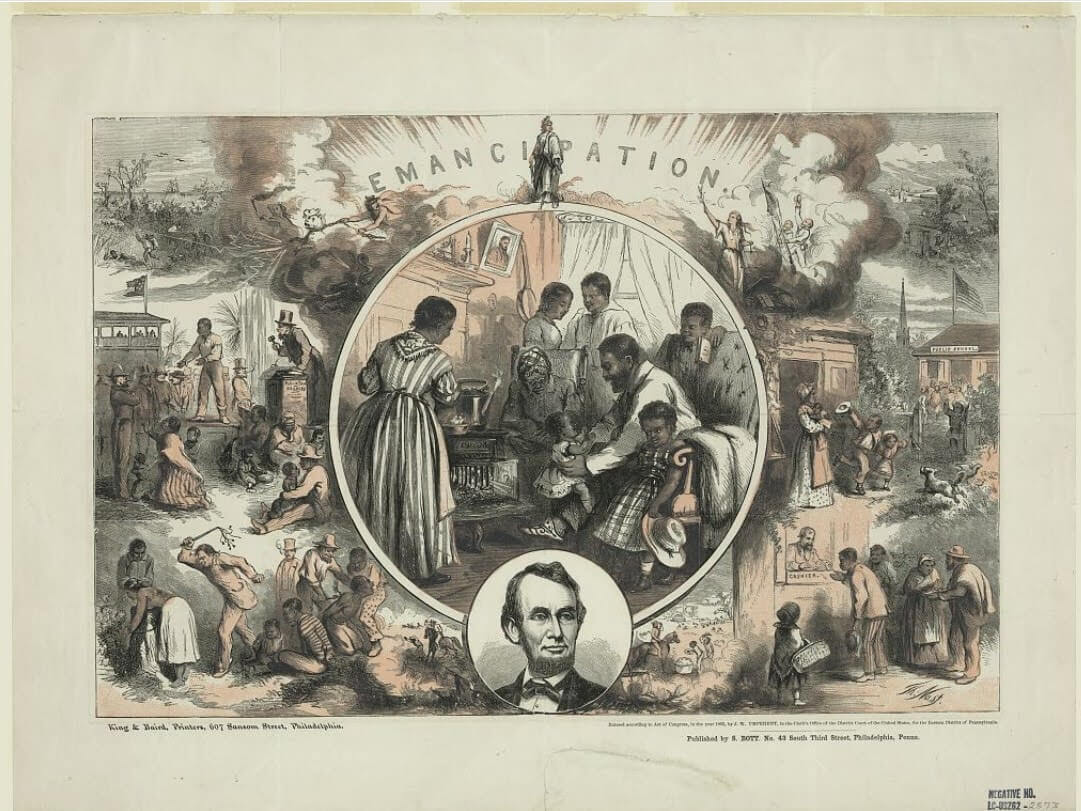 26 December 2025The Emancipation Proclamation and the Abolition of Slavery
5 MIN READ
-
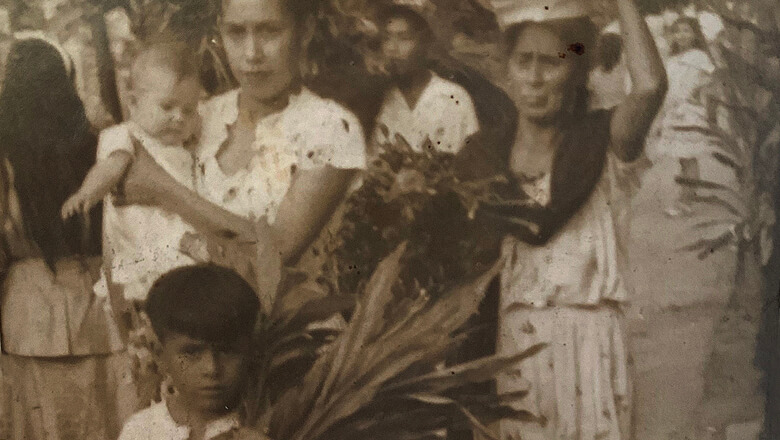 19 December 2025Using New Ancestral Journeys to Explore Your Latin American and Iberian Roots
5 MIN READ
-
 12 December 2025Family Traditions and Musical Expression
3 MIN READ
-
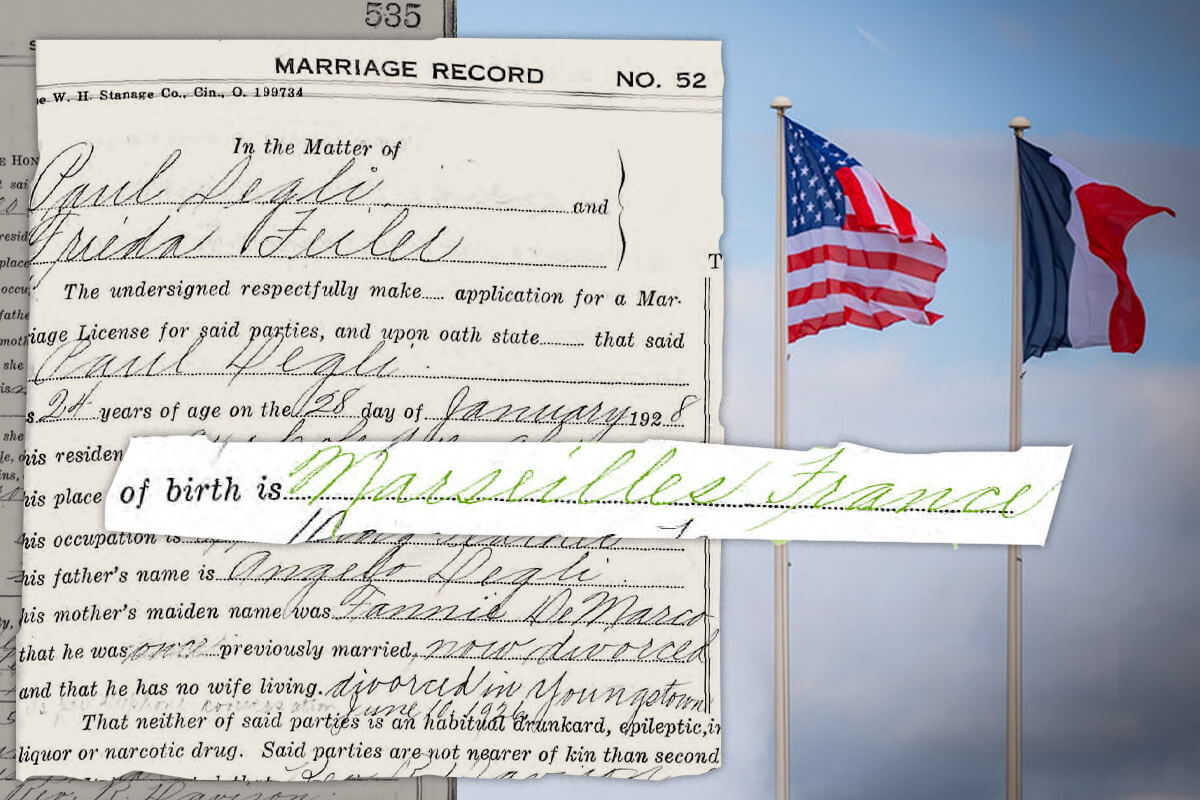 05 December 2025Identifying Your French Ancestor's Birthplace in U.S. Records
5 MIN READ
-
 25 November 2025The Infinite Explorer: New Series on the Secret Threads that Shape Our World
2 MIN READ
-
 21 November 2025Virtual Travel as a Holiday (or Anytime) Gift
2 MIN READ