The world’s largest online family history resource - Start now


RECENT POSTS
-
Understanding Civil Records in Germany -
Following Eastern Ukrainian DNA to North Dakota, USA -
How to Uncover the Women Who Built History -
Tracing the Legacy of Historically Black Colleges and Universities
GET THE LATEST
New posts + monthly newsletter.
RECENT POSTS
GET THE LATEST
New posts + monthly newsletter.
In this second article of a multi-part series on types of German ancestral records, we’ll focus on what you can find in Zivilregister Urkunden—civil registry records—that can help you learn more about your German roots, and what records are available on Ancestry. (The first article focused on German church records.)
When Did Civil Registration Begin?
While the German Empire was formed in 1871—from independent kingdoms, duchies, principalities, etc.,—widespread government-mandated civil registration of births, marriages, and deaths didn’t begin until 1876. Depending on which part of the country your ancestors lived, the dates for civil registration can vary. Knowing those dates can help guide your expectations about what might be available.
In Prussia, civil registration started as early as October 1874.
In Alsace-Lorraine, Rhineland, and other regions that historically alternated between French and German control, civil registration took place under Napoleon’s rule from 1792 to 1807 and continued to 1813-1815. Some of these previously Napoleonic areas continued with a local format of civil registration from 1815 to 1871.
The availability of civil records differs by state. Many are available on Ancestry or may be ordered through city archives and registries.
![Johannes Albert Brauer, Eastern Prussian Provinces, Germany [Poland], Selected Civil Vitals, 1874-1945, Ancestry.com](http://cmsasset.ancestrycdn.com/content/ancestry/acom/en-gb/ancestry-blog/family-history/understanding-german-civil-registry-records/_jcr_content/root/container_1585542322/container/container/container/ancestrymodal_copy_c/modal-container/image_copy_264623282.coreimg.jpeg/1773339916137/blog-1942-death-record-for-johannes-brauer.jpeg) Johannes Albert Brauer, Eastern Prussian Provinces, Germany [Poland], Selected Civil Vitals, 1874-1945, Ancestry.com
Johannes Albert Brauer, Eastern Prussian Provinces, Germany [Poland], Selected Civil Vitals, 1874-1945, Ancestry.com
 Click image to expand view
When To Use Church or Civil Records?
When you’re looking for your ancestors’ birth, marriage or death records, your main sources of German vital records will be church books and civil records. Before you start searching for records, keep these general guidelines in mind:
Before 1876, look for your family’s vital records in local town church books.
After 1876, vital records in Germany were held by civil registry offices.
What’s Recorded in Civil Registries (Zivilregister)?
Civil records can contain an extraordinary amount of detail rarely found in church books.
The birth certificate (Geburtsurkunde) usually lists the parents, their address, profession(s), religion, time of birth, name of the child, the midwife or person reporting the event, and a parent’s signature.
Marriage certificates (Heiratsurkunden) contain the most information. These records typically include the bride and groom’s religion, profession, address, birthplace, birthdate, any previous spouses, and detailed information about their parents, such as their living place, profession, and whether they are living. It also lists two witnesses who may be family, including their professions, ages, and addresses. Usually, the bride, groom, and parents sign the marriage.
Death certificates (Sterbeurkunden) detail the deceased person’s birthplace, profession, parents, spouse, religion, age or birthdate, and usually the name, profession, and address of the person who recorded the event.
Pro Tip: Often, birth, marriage, or death certificates have notations from later events—like divorce, death, birth of children—in the margins, so for more recent records, ordering the newest copy of the civil record from the local civil registry might have more information on it than the digital copy online scanned twenty years ago. For instance, I have seen children born to the couple added on a third and fourth page of the marriage certificate.
Mastering the Translation of German Civil Records
Civil records, especially from the same state/region, use a form with pre-printed text that has fill-in spaces for your ancestor’s name and personal information. Learn the format from the printed German script, which is easier to read, to pinpoint the integral information from the vital record. Information about your ancestor will likely be found in the same place on the same record type, as compared to church records which might be drastically different over the years or by parish and region. Beginning in the 1940s, civil records began to be typed.
Essential German Vocabulary for Civil Records
German civil records typically contain the following common words, although words for “marriage” or “death” recorded in registries might differ across states. Use the list below to help you extract details about your ancestors.
Vocabulary for Birth Certificates (Geburtsurkunden)
Note: Many vocabulary terms in birth records also apply to other record types.
| In English | In German |
|---|---|
| Birth | Geburt |
| Born | Geboren |
| Child’s name | Name des Kindes |
| Day and hour | Tag und Stunde |
| Father | Vater |
| Female | Weiblich |
| Gender / Sex | Geschlecht |
| His wife | Seine Ehefrau / Frau |
| Illegitimate | Unehelich |
| Legitimate (by marriage) | Ehelich |
| Male | Männlich |
| Mother | Mutter |
| Not yet named | Noch nicht genannt |
| Occupation / Profession | Stand / Beruf |
| Parents | Eltern |
| Place / Residence | Ort / Wohnort |
| Stillborn / Stillbirth | Tot geboren / totgeburt |
 Friedrich Gustav Reinhard Schwendicke in Berlin, Germany, Births, 1874-1910, Ancestry.com
 Click image to expand view
Here’s how you can convert the German text to a translated narrative:
Item No. 3499 records the birth of Friedrich Gustav Reinhard Schwendicke. He was born on 21 November 1898 at 2:15 a.m. in his parents’ apartment at Rigaerstrasse 12 in Berlin VIIb. His father, Carl Adolf Schwendicke, a Lutheran butcher, reported the birth. The mother was Emilie Auguste Karoline Wilhelmine Albertine Schwendicke, née Heidke, also Lutheran. Friedrich Gustav Reinhard was later declared dead on 31 July 1949.
Vocabulary for Marriage Certificates (Heiratsurkunden)
| In English | In German |
|---|---|
| Age | Alter |
| Bachelor | Junggeselle |
| Bride | Braut |
| Groom | Bräutigam |
| Divorced | Geschieden |
| Maiden name | Geburtsname / Mädchenname / Née |
| Marriage | Heirat / Eheschließung / Trauung |
| Married | Verheiratet / getraut |
| Single / Unmarried | Ledig |
| Widow(er) | Witwe(r) |
 Friedrich Gustav Reinhard Schwendicke in Berlin, Germany, Marriages, 1874-1944, Ancestry.com
 Click image to expand view
This example shows a translated marriage record converted into a narrative. Page 1 of the image includes information about the groom and bride, with additional information in the right margin; Page 2 includes witnesses and signatures. (Normally, marriage records list the bride and groom’s parents, but this one does not).
Item No. 361 documents the marriage of Friedrich Gustav Reinhard Schwendicke, a butcher born on 21 November 1898 in Berlin (birth record No. 3499, Berlin VIIb), residing at Käthestrasse 7 in Berlin-Hohenschönhausen. He married Meta Berta Ottilie Skrubel, born on 6 October 1903 in Berlin-Weissensee (birth record No. 960), residing at Berliner Allee 26.
The witnesses were Henriette Schwendicke née Arbeiter, age 39, residing at Kiefholzstrasse 8 in Berlin-Treptow, and Auguste Schwendicke née Heide, age 63, residing at Käthestrasse 7 in Berlin-Hohenschönhausen.
Friedrich was later declared legally deceased as of 31 July 1949 by the Berlin-Weissensee District Court on 3 April 1952. Meta died on 13 September 1995 in Berlin-Reinickendorf, with her death registered on 22 November 1995 under record No. 2060/95.
Vocabulary for Death Certificates (Sterbeurkunden)
| In English | In German |
|---|---|
| Date and time of death | Tag und Stunde des Todes |
| Death | Tod / Todesfall / Sterbefall |
| Deceased | Gestorbene |
| Last residence | Letzter Wohnort |
| Occupation | Beruf |
| Place of death | Sterbeort |
 Friedrich Gustav Reinhard Schwendicke in Berlin, Germany, Deaths, 1874-1985, Ancestry.com
 Click image to expand view
Here’s how the translation of a death record (pictured above) can be turned into a narrative:
Berlin-Weissensee, 13 February 1962 – Wolfgang Schwendicke, a journeyman butcher and grenadier, was last residing at Friedhofsstrasse 10 in Berlin-Hohenschönhausen. He died on 6 April 1944 near Majdan, close to Brody, at an unknown hour. He was born on 12 July 1925 in Berlin-Hohenschönhausen (birth record No. 45). He was unmarried. His parents were Friedrich Gustav Reinhard Schwendicke and Meta Berta Ottilie Schwendicke, née Skrubel. The original death document was destroyed, with approval from the Weissensee District Council's Internal Affairs Department.
Getting Started With Civil Records on Ancestry
Some regions of former German territory—such as West Prussia, East Prussia, Pomerania, and Silesia—are now located in Poland, Russia, or Ukraine. Civil records from these areas often still exist and can sometimes be accessed on sites like Ancestry or other online archives, with coverage up to around 1944–45. Due to World War II, many records from these regions were destroyed, especially church books, but civil registry records were sometimes preserved. These were often stored separately and in more secure locations during bombings.
For example, in the case of my Prussian-born grandfather, Alfred Reinhold Wegner, many family records survived through civil registrations dating back to 1876. However, earlier generations are difficult to trace, as the local church books were reportedly destroyed by fire, limiting further genealogical research.
Key German Civil Record Collections on Ancestry
Ancestry offers a wide array of German civil records, particularly from regions like East Prussia. In fact, there are over 115 million German civil records available to access. Of those, 4 million include records from 1785-1875 for areas such as Frankenberg, Lübeck, Ludwigshafen, Mainz, Minden, Saarland, Speyer, and Worms. Ancestry also has pre-1850 civil records from Bornheim, Moers, Mönchengladbach, Trier, and Troisdorf. Here’s a sampling:
Eastern Prussian Provinces, Germany [Poland], Selected Civil Vitals, 1874–1945 includes records from areas now in Poland.
If you cannot find the desired civil records online, contact the local civil registry office (Standesamt) directly. You can request records by providing specific details such as full names, dates, and locations of the events. Note that some records may have been lost or destroyed during World War II; however, many were preserved or relocated for safekeeping.
Privacy Restrictions
German privacy laws restrict access to more recent civil records. Generally, birth records are restricted for 110 years, marriage records for 80 years, and death records for 30 years. You must show direct lineage to that ancestor to obtain locked records.
Learning More about Your German Ancestors
Ready to dive into German civil records? Start with what’s online, and don’t be afraid to contact a Standesamt if needed. If you’re feeling stuck, reach out to our team at AncestryProGenealogists—we’re here to help!
RELATED POSTS
-
 13 March 2026Understanding Civil Records in Germany
6 MIN READ
-
 10 March 2026Following Eastern Ukrainian DNA to North Dakota, USA
3 MIN READ
-
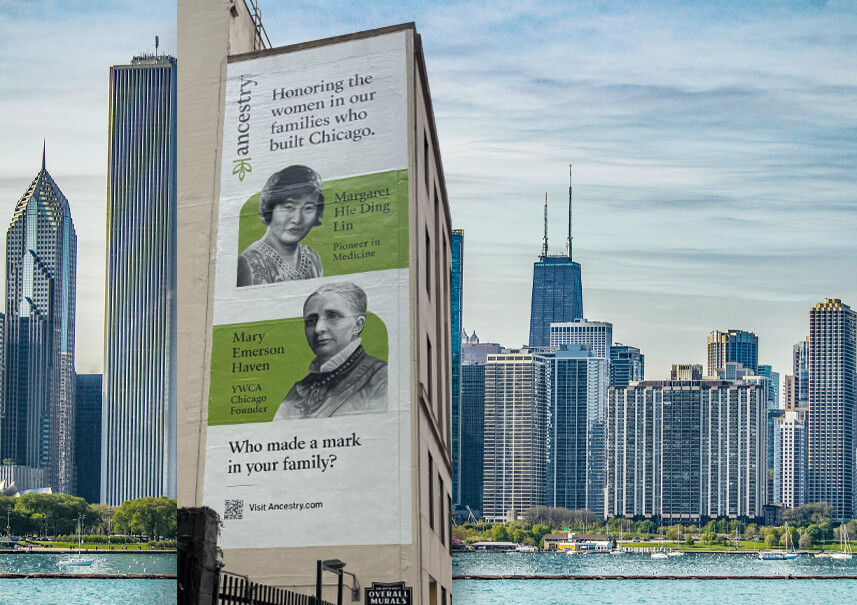 04 March 2026How to Uncover the Women Who Built History
3 MIN READ
-
 26 February 2026Tracing the Legacy of Historically Black Colleges and Universities
5 MIN READ
-
 24 February 2026Finding Your Roots: “Artistic Roots” with Spike Lee and Kristin Chenoweth
2 MIN READ
-
 23 February 2026Looking Ahead to RootsTech 2026, Reflecting on 2025 Achievements
3 MIN READ
-
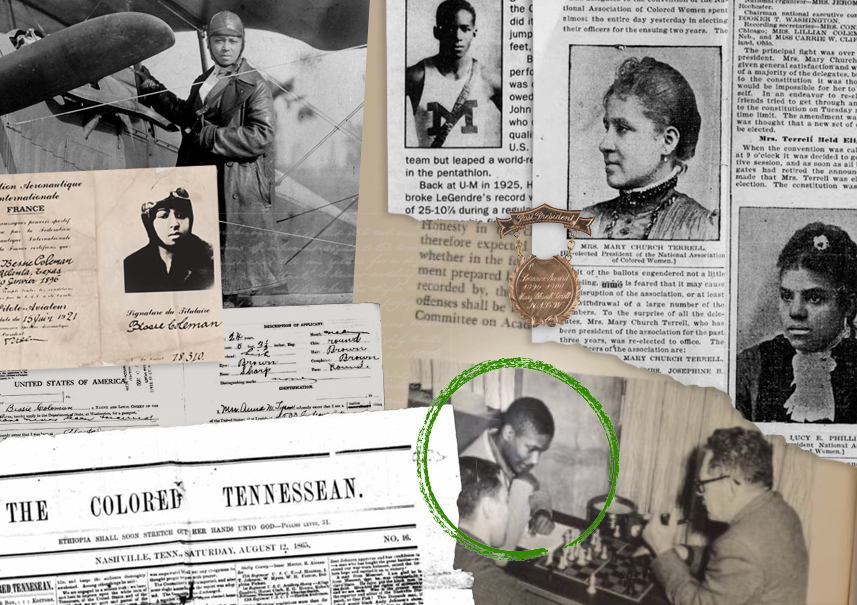 19 February 2026Discover Stories of Black History in Your Family Tree This Month
3 MIN READ
-
 17 February 2026Finding Your Roots: “Family Harmonies” with Flea and Lizzo
2 MIN READ
-
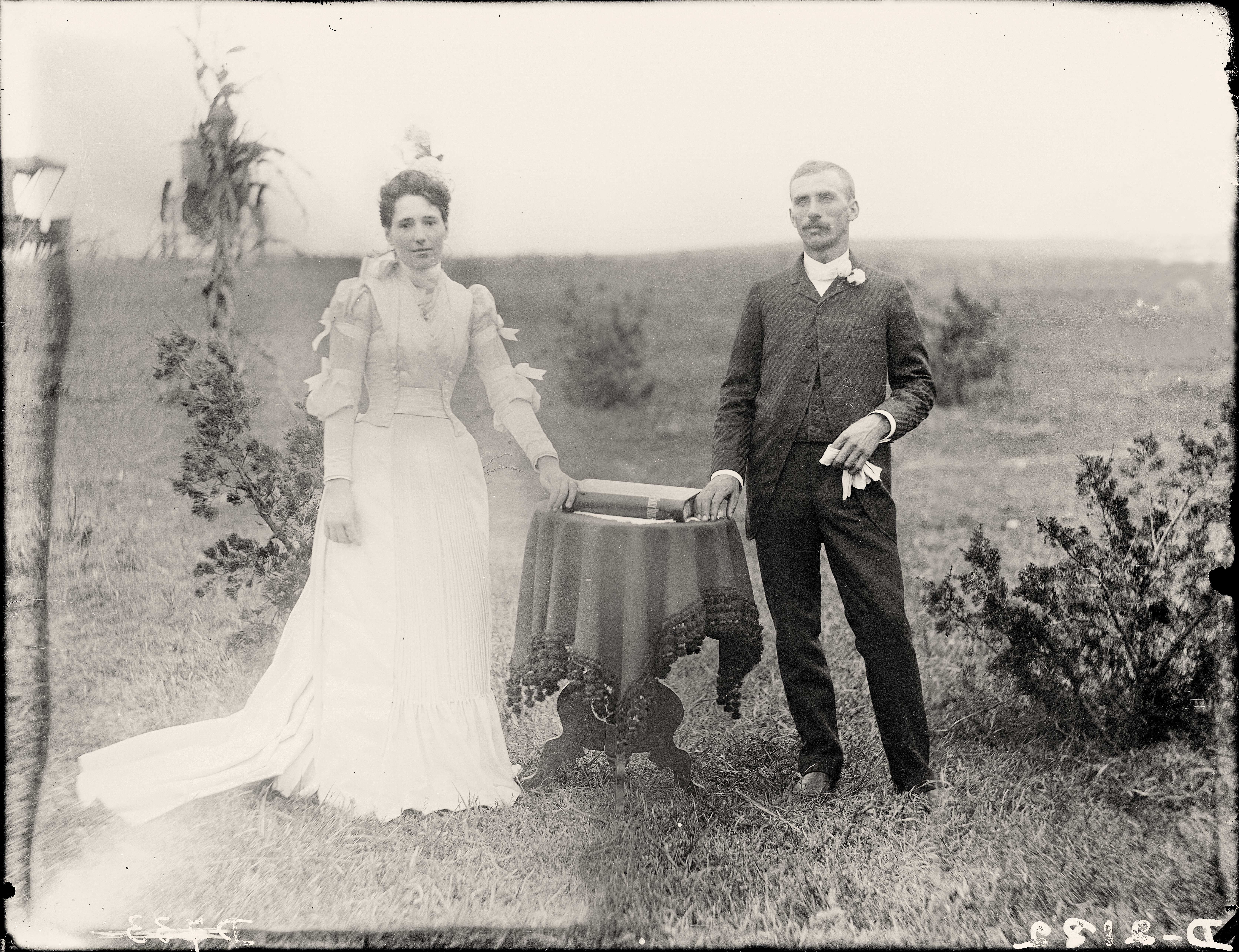 13 February 2026Did Your Great-Grandparents Date Through the Newspaper?
3 MIN READ
-
 10 February 2026Finding Your Roots: “Westward Bound” with Sara Haines and Tracy Letts
2 MIN READ
-
 08 February 2026Webinar Series: Researching African American Ancestors
2 MIN READ
-
 05 February 2026Finding Your Roots: “Love & Basketball” with Brittney Griner and Chris Paul
2 MIN READ
-
 03 February 2026Ancestry Reunites Descendants of FDNY Hero and the Family He Saved
2 MIN READ
-
 27 January 2026Finding Your Roots: “The Road We Took” with Lizzy Caplan and Hasan Minhaj
2 MIN READ
-
 23 January 2026Honoring the Unforgettable: A Personal Path to Remembrance
2 MIN READ
-
 20 January 2026Finding Your Roots: “Caribbean Roots” with Liza Colón-Zayas and Delroy Lindo
2 MIN READ
-
 16 January 2026Celebrating Martin Luther King Jr. Day
3 MIN READ
-
 13 January 2026Finding Your Roots: “Great Migrations” with Wiz Khalifa and Sanaa Lathan
2 MIN READ
-
.jpg) 02 January 2026Finding Your Roots Season 12 Premiere
02 January 2026Finding Your Roots Season 12 Premiere2 MIN READ
-
 26 December 2025The Emancipation Proclamation and the Abolition of Slavery
5 MIN READ
-
 19 December 2025Using New Ancestral Journeys to Explore Your Latin American and Iberian Roots
5 MIN READ
-
 12 December 2025Family Traditions and Musical Expression
3 MIN READ
-
 05 December 2025Identifying Your French Ancestor's Birthplace in U.S. Records
5 MIN READ
-
 25 November 2025The Infinite Explorer: New Series on the Secret Threads that Shape Our World
2 MIN READ
-
 21 November 2025Virtual Travel as a Holiday (or Anytime) Gift
2 MIN READ