The world’s largest online family history resource - Start now


RECENT POSTS
-
Ancestry Reunites Descendants of FDNY Hero and the Family He Saved -
Finding Your Roots: “The Road We Took” with Lizzy Caplan and Hasan Minhaj -
Honoring the Unforgettable: A Personal Path to Remembrance -
Finding Your Roots: “Caribbean Roots” with Liza Colón-Zayas and Delroy Lindo
GET THE LATEST
New posts + monthly newsletter.
RECENT POSTS
GET THE LATEST
New posts + monthly newsletter.
Key Takeaways
- The latest release includes 283 new ancestral journeys across Central & South America, Europe, Hawaii, and the Philippines.
- Journeys are based on genetic analysis of members, span 300 years, and give insight into where ancestors lived.
- Combine journeys results with billions of historical records on Ancestry to jumpstart your research and build your family tree.
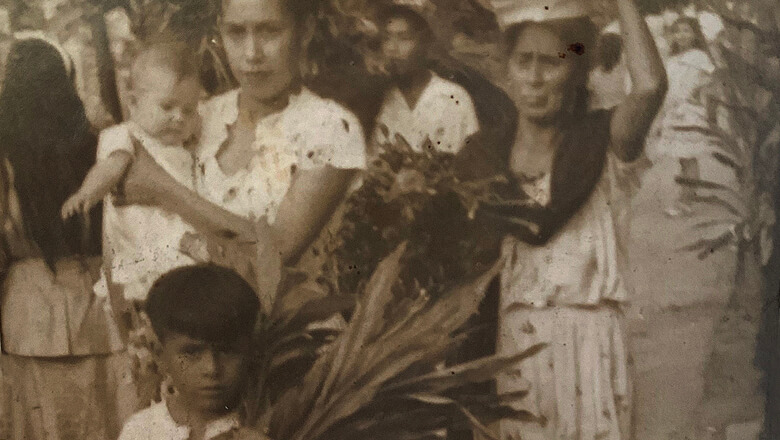
In the 1950s, my husband’s grandmother (pictured above) was part of the emerging middle class of Southern Mexico and Guatemala, growing her own business, which she eventually handed down to her daughter. Stories like this one are part of family heritage and are what excite so many to dive deeper into their family history.
However, going from “family story” to “family history” can feel daunting, and it can be hard to know where to begin. I might know about my in-laws’ business, and that it was against the cultural norms of the time, as it was run by a woman who never attended school. But how can I start finding out where it was or the names of other relatives who may have been involved?
For those with deep roots in Latin America, the latest release of AncestryDNA ancestral journeys could be the spark you need to start this path of discovery. The release includes 283 new journeys across Central & South America, Europe, Hawaii, and the Philippines—areas impacted by the exploratory age of the kingdoms of Spain and Portugal starting in the 15th century.
 Highlighted areas indicate connections to new ancestral journeys as of November 2025.
These journeys are based on genetic analysis of thousands of other Ancestry members and span the past 300 years. They can give you greater insight into where your ancestors lived, stories about the history they lived through, and hints about which ancestors may have been a part of the journeys. By combining your journeys results along with access to billions of historical records available on Ancestry, you can jumpstart your research. My husband’s own ancestral journeys were an exciting complement to the research we already had about his family history.
 Padrão dos Descobrimentos [Monument of the Discoveries], Lisbon, Portugal, by Dimi Talen via Wikimedia Commons
A Closer Look: Genetic Connections in Guatemala
My husband’s heritage most recently traces to the Soconusco region of southern Mexico. This area was politically contested for much of the 19th century. It is historically embedded in the volcanic terrain of southwestern Guatemala, a borderland bursting with coffee shrubs and deeply rooted in the indigenous Mam Mayan culture.
His updated DNA results pinpointed his genetic connection to this region exactly. The results specifically identify the San Marcos region, near where many of his ancestors lived. In fact, the journeys’ polygons on the AncestryDNA map even pull in details from his family tree, highlighting where ancestors who were likely part of this journey lived.

The journey provides a timeline from 1700 onward, which details pieces of the regional history that also shaped my husband's family story. One interesting timeline point in this history is the period 1850-1875, which describes the Coffee Economy of Guatemala. This is indeed part of my husband’s ancestral history. The area in which his family lived, along the Mexico-Guatemala border, and now known as the Ruta del Café, or Coffee Route, is a significant supplier of coffee worldwide. In fact, his family still owns a small cabin on the slopes of the Volcano Tacaná, pictured below.
 Along the slopes of the volcano, Tacaná, which straddles the Mexico-Guatemala border. Image by Stephanie LeVeque.
While a state government has administrative power over the small towns along the Ruta, a local tribal community rules this land and is outside of the purview of the local administrative government regarding some decisions. It’s an example of local communities escaping from a once-oppressive system and returning the land and traditions to the native people.
What’s fascinating is how record collections mirror this story. If your DNA results point to this region, by looking through civil records in southern Mexico and Guatemala, you might be able to identify potential ancestors who were laborers on fincas (coffee estates). The parish records from colonial Guatemala list mixed unions—mestizo, mulato, moreno, criollo—reflecting the complex identities of many of these people.
Below, for example, is the marriage record of my husband’s second-great-grandfather, which highlights that he was a farmer in Motozintla, a town on the Ruta del Café. His mother lived on the coffee finca “Irlanda,” which still exists today as a working finca on the Ruta. With the incredible handwriting recognition tools available on Ancestry, it’s possible to pull out details like names, dates, and locations, even from these difficult-to-read historical documents.
 Chiapas, Mexico, Civil Registration Marriages, 1861-1952, Ancestry.com
By exploring the Latin and Central America record collections available through Ancestry, such as colonial censuses or baptism and marriage books from the 1500s through the 1800s, family history researchers can often link DNA matches to real names, families, and towns.
Bridging the Gap Between Stories and Family History
For those of us with deep Latin American roots, tracing our lineage can sometimes feel impossible. But this is where AncestryDNA* becomes a bridge. As I often tell those interested in exploring their family history: Start where you are.
If you haven’t yet, take an AncestryDNA test. I encourage all my clients—and you—to start here to learn about your heritage and see all the parts of the world that conspired together to bring you here.
Then, begin with what you know—interview your relatives, record their stories, and collect family photos. Contact your genetic matches on AncestryDNA and talk about your family to learn how you’re related. I have found some of my most treasured photos and forgotten stories of my ancestors through messaging my genetic matches.
Finally, check out Ancestry membership options to access record collections—from 19th- and 20th-century civil registrations to passenger lists and military files—to build your family’s modern tree. Sign up for a World Explorer or All Access membership to enjoy our international and special collections!
As one of the AncestryProGenealogists researchers specializing in Hispanic research, here are some of my favorite Latin American collections I’ve worked with on Ancestry:
Puerto Rico, U.S, Arriving Passenger and Crew Lists, 1901-1962–these passenger lists show a direct link between your ancestors and their birthplaces abroad. Puerto Rico wasn’t just a destination for European immigrants, but a hub connecting the Americas.
Rio de Janeiro, Brazil, Immigration Cards, 1900-1965–Rio de Janeiro in Brazil was also a major hub for immigrants en route to locations all over the Americas. The original immigration cards often include photos of your ancestors, and name their date and place of birth, along with other helpful information.
Global, Find a Grave® Index for Burials at Sea and other Select Burial Locations, 1300s-Current–contains burials from cemeteries across the world.
Let DNA and records work hand in hand to guide you toward those deeper roots. Step by step, you’ll see how your family’s unique story fits into the vast history of Latin America. Take time to explore your own voyage through AncestryDNA, the many historical records available on Ancestry, and the living stories your family carries.
Don’t forget to sign up for a free trial of Ancestry to decide which membership works best for you. If you need a little extra help, reach out to me and my colleagues here at AncestryProGenealogists—we’re a team of professional genealogists who specialize in your ancestral homelands all over the world, and we’d love to help you on your journey of discovery.
*Some AncestryDNA features may require an Ancestry subscription.
RELATED POSTS
-
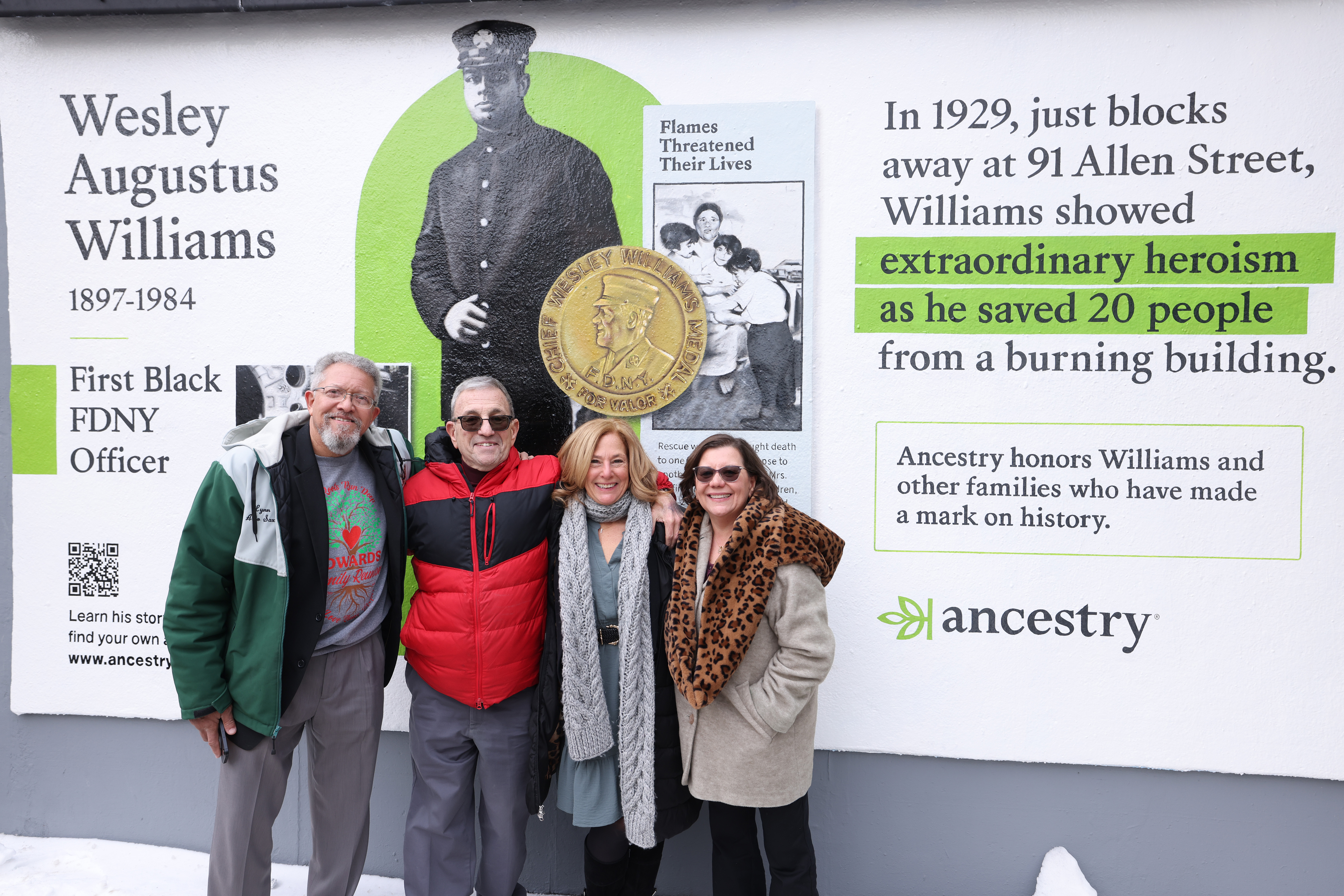 03 February 2026Ancestry Reunites Descendants of FDNY Hero and the Family He Saved
2 MIN READ
-
 27 January 2026Finding Your Roots: “The Road We Took” with Lizzy Caplan and Hasan Minhaj
2 MIN READ
-
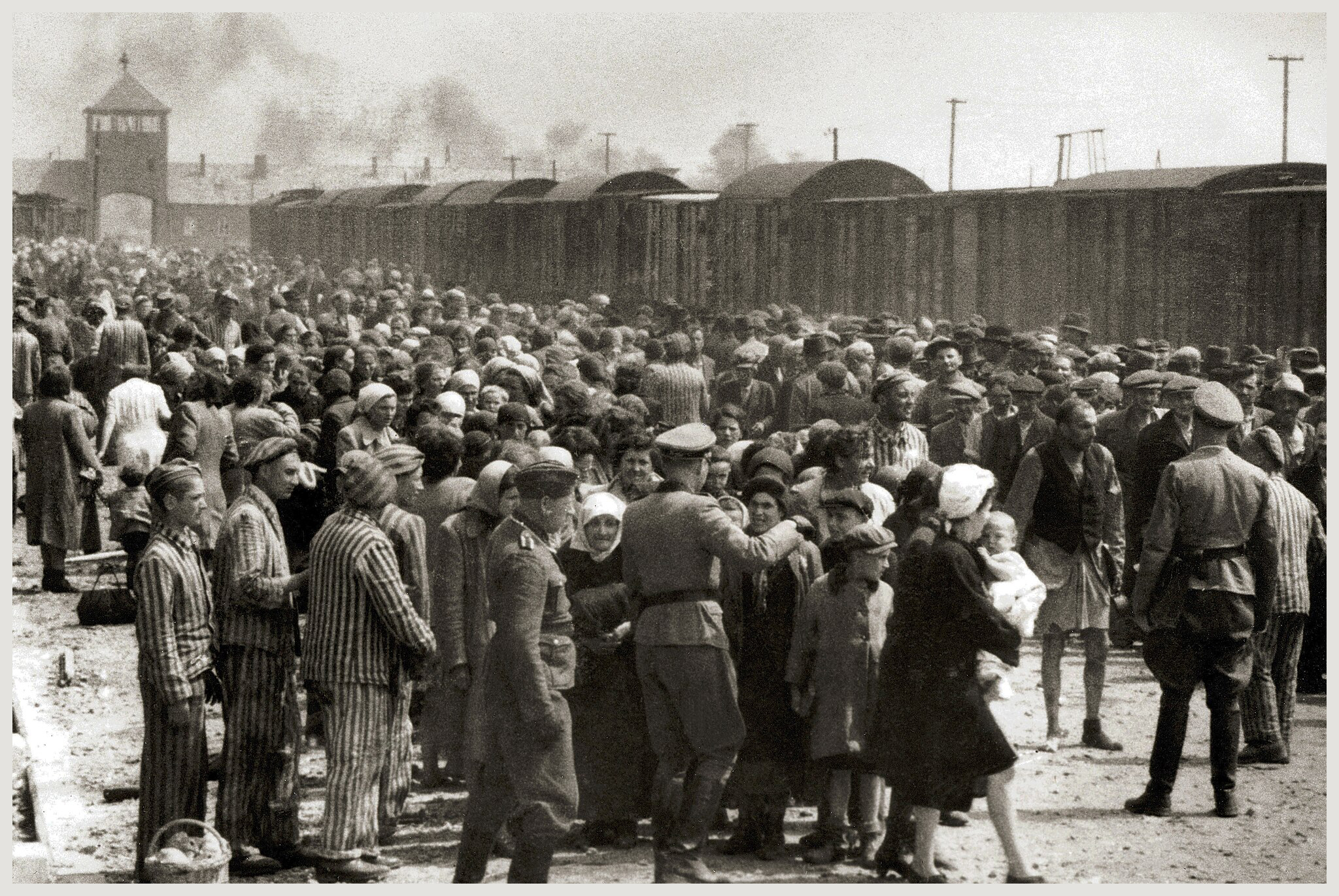 23 January 2026Honoring the Unforgettable: A Personal Path to Remembrance
2 MIN READ
-
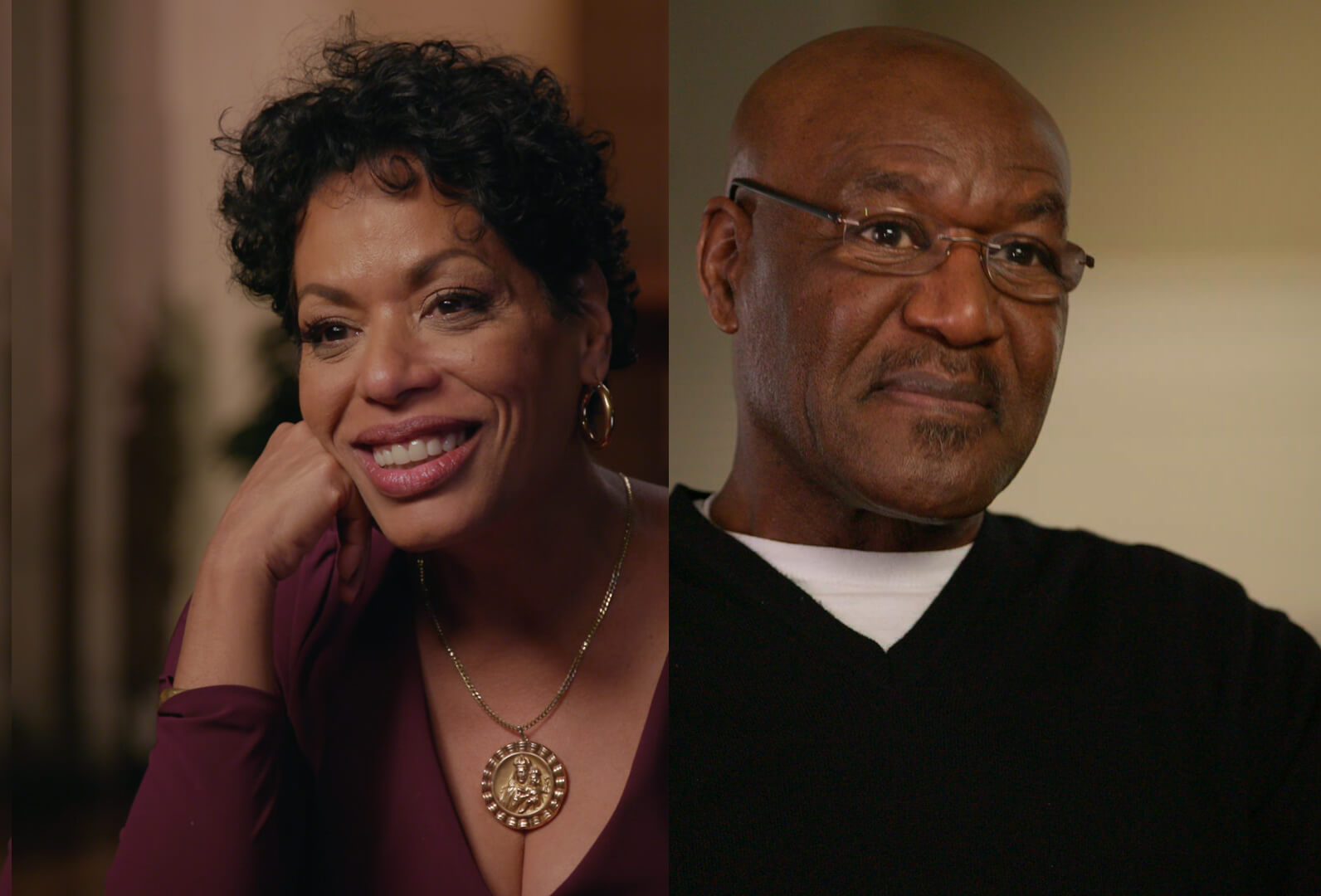 20 January 2026Finding Your Roots: “Caribbean Roots” with Liza Colón-Zayas and Delroy Lindo
2 MIN READ
-
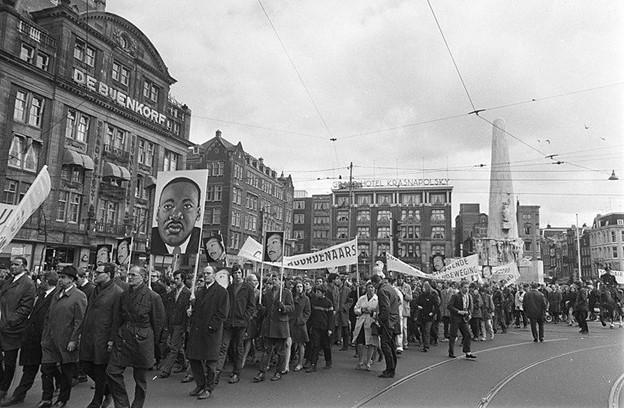 16 January 2026Celebrating Martin Luther King Jr. Day
3 MIN READ
-
 13 January 2026Finding Your Roots: “Great Migrations” with Wiz Khalifa and Sanaa Lathan
2 MIN READ
-
.jpg) 02 January 2026Finding Your Roots Season 12 Premiere
02 January 2026Finding Your Roots Season 12 Premiere2 MIN READ
-
 26 December 2025The Emancipation Proclamation and the Abolition of Slavery
5 MIN READ
-
 19 December 2025Using New Ancestral Journeys to Explore Your Latin American and Iberian Roots
5 MIN READ
-
 12 December 2025Family Traditions and Musical Expression
3 MIN READ
-
 05 December 2025Identifying Your French Ancestor's Birthplace in U.S. Records
5 MIN READ
-
 25 November 2025The Infinite Explorer: New Series on the Secret Threads that Shape Our World
2 MIN READ
-
 21 November 2025Virtual Travel as a Holiday (or Anytime) Gift
2 MIN READ
-
 18 November 2025How Melissa Joan Hart is Using Ancestry to Make the Holidays More Meaningful
2 MIN READ
-
 13 November 2025Two New Podcast Series: “Behind the Headlines of History” and “Unclaimed”
2 MIN READ
-
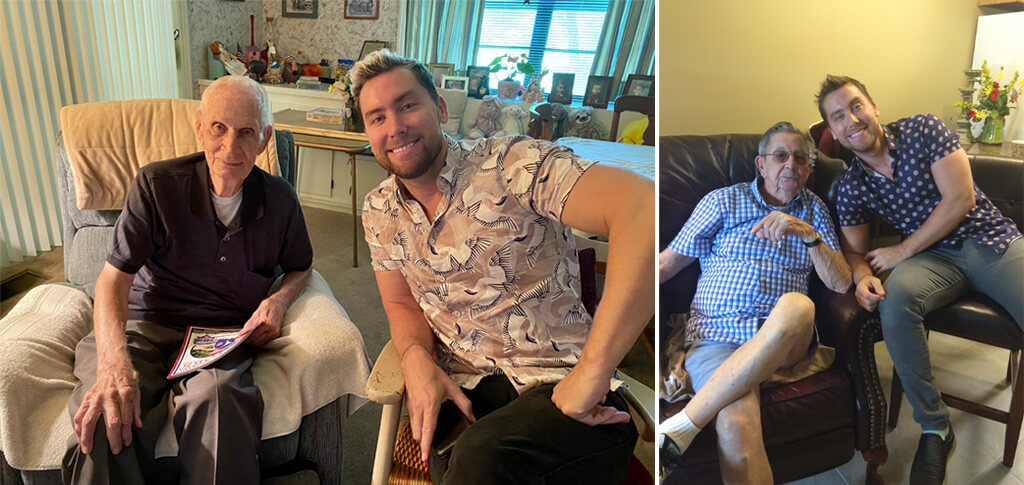 05 November 2025Lance Bass Partners with Ancestry to Honor His Grandfathers’ on Veterans Day
3 MIN READ
-
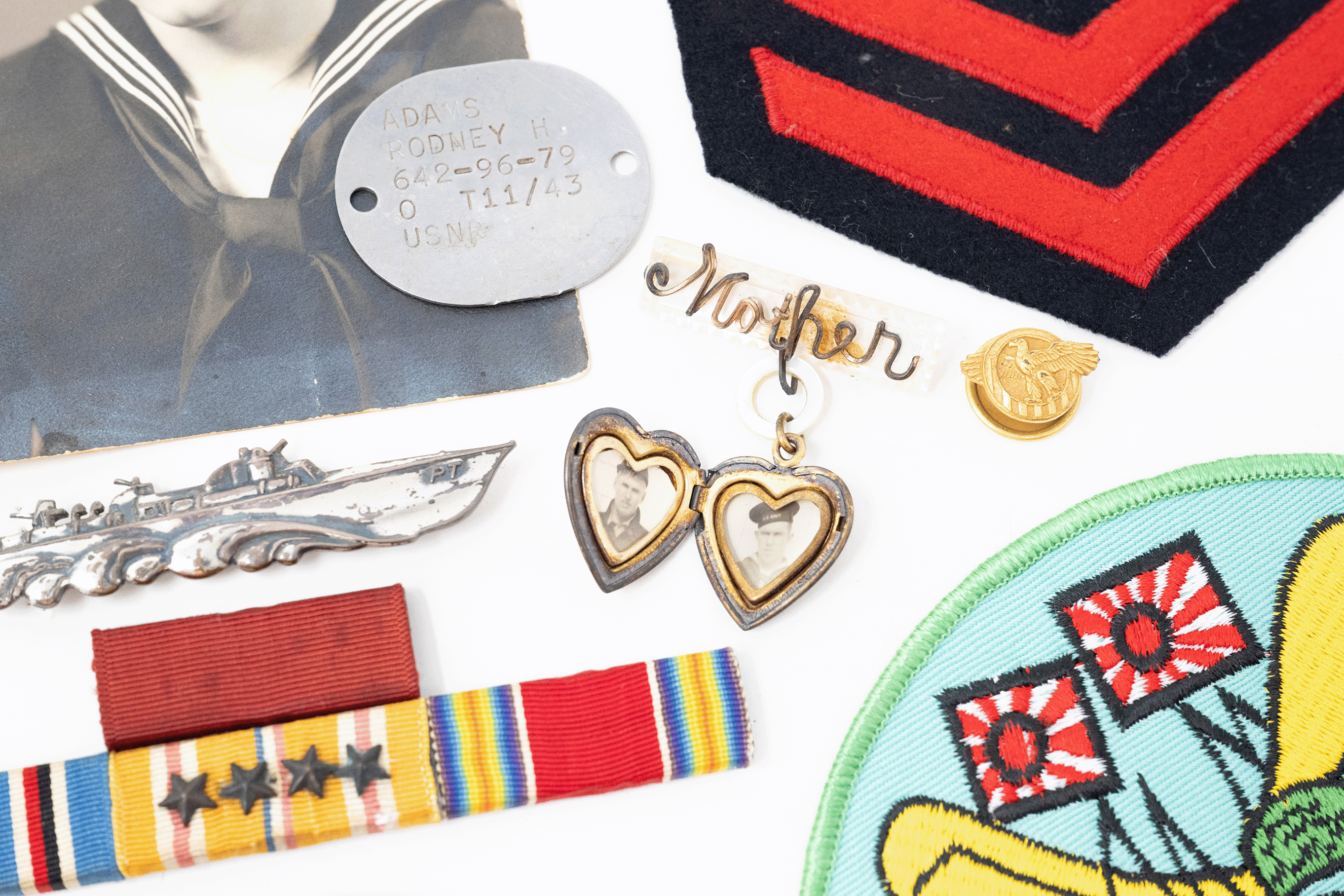 05 November 2025Preserving the Stories of WWII Heroes
3 MIN READ
-
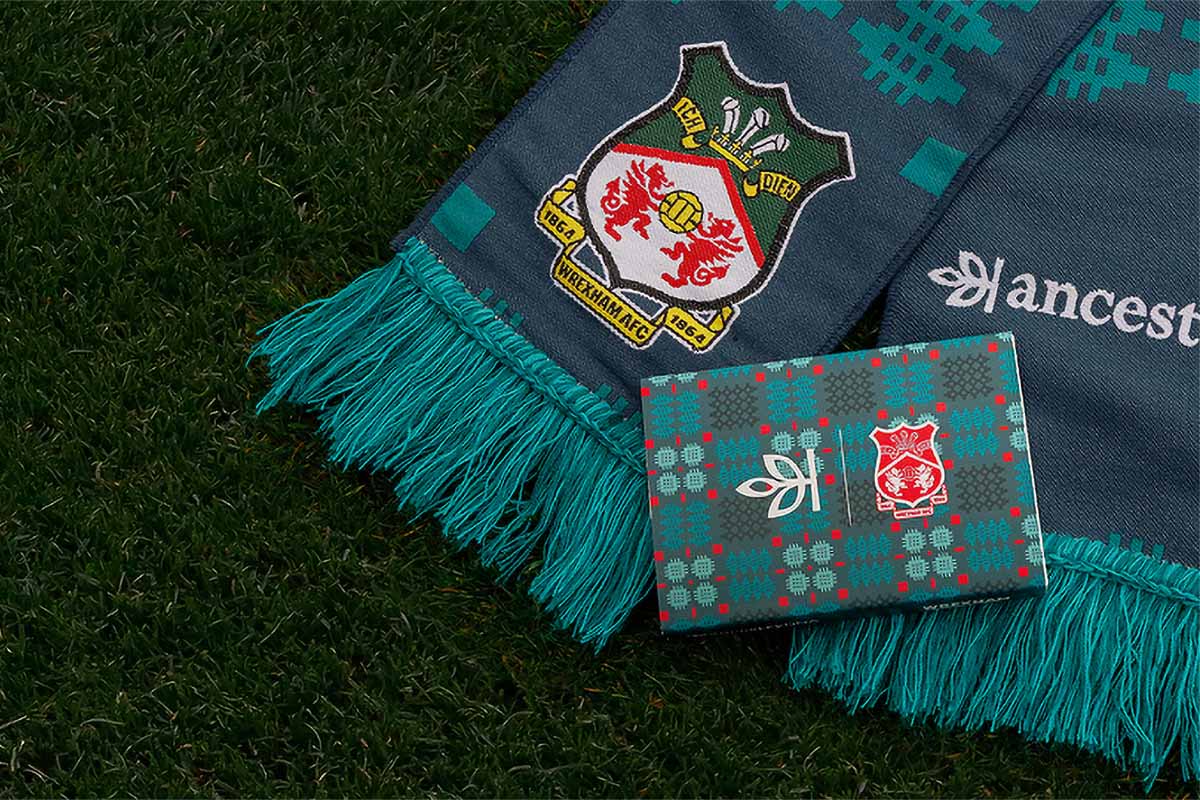 29 October 2025Ancestry and Wrexham AFC Team Up to Discover the "Story" in Your History
5 MIN READ
-
 27 October 20258 Celebs With Spooky Family Histories
5 MIN READ
-
 21 October 2025Introducing Custom Clusters: A Smarter Way to Find “Matches That Matter”
6 MIN READ
-
 14 October 2025Puerto Rican Civil Registration Marriage Records
4 MIN READ
-
 09 October 2025Deep Dive: AncestryDNA 2025 Origins Update
5 MIN READ
-
 03 October 2025October is Filipino American History Month
5 MIN READ
-
 30 September 2025French Last Names: Origins and Meanings
6 MIN READ
-
 15 September 2025Hispanic Heritage Month
5 MIN READ