The world’s largest online family history resource - Start now


RECENT POSTS
-
Ancestry Reunites Descendants of FDNY Hero and the Family He Saved -
Finding Your Roots: “The Road We Took” with Lizzy Caplan and Hasan Minhaj -
Honoring the Unforgettable: A Personal Path to Remembrance -
Finding Your Roots: “Caribbean Roots” with Liza Colón-Zayas and Delroy Lindo
GET THE LATEST
New posts + monthly newsletter.
RECENT POSTS
GET THE LATEST
New posts + monthly newsletter.
Key Takeaways
- Begin your family tree by gathering information from living relatives before searching historical records online.
- Utilise key documents like census returns, military records, and Windrush-era passenger lists to trace your ancestors.
- Consider an AncestryDNA® test to overcome challenges, discover ethnic origins, and connect with living relatives.
October marks Black History Month in the UK. Need help researching ancestors coming to the UK from Jamaica, Grenada, or other parts of the Caribbean or Africa? Learn some of our tips for researching their stories.
Speak to Family
Speaking to your relatives is a great way to start your family history. Ask questions about your ancestors, and note down names, dates and locations. These clues can help you begin your research journey.
Keep in mind family stories, like the story about a grandparent who served during WWII or your parent or aunt or uncle who travelled to the UK. Why not record an interview with a family member and preserve their stories for future generations through the Ancestry® mobile app?
Browse your family collections
Every family member has a custodian of photographs, letters, diaries or memorabilia, sometimes stored in a box in the attic. Letters can offer helpful contextual information, while any dates or addresses recorded can help you with your research. Look at family photographs: were they taken in the person's birthplace or perhaps after settling in the UK? Often, family members would record dates and names on the back.
Start a family tree
Start building your family tree on Ancestry; it's a great place to store all the information you have gathered from talking to family members and browsing family collections. Building your family tree lets you see how you connect to each generation. Don't worry if you only know a few names and dates, it's a great starting point, and you can build on it over time.
Look out for Hints
When building your family tree with Ancestry, look out for Hints. We compare details in your family tree to billions of records, photos, trees, and more. If we find a potential match, we give you a shaky leaf or Ancestry Hint. Hints are especially helpful when you first start your research or if you know very little about your ancestors. You should always review a Hint to ensure it relates to your ancestor.
Study passenger lists
When speaking to your family, you may establish the names of your ancestors who first settled in the UK. Why not trace their journies in our UK and Ireland, Incoming Passenger Lists, 1878-1960. These are a collection of passenger lists of ships arriving in the UK and Ireland from foreign ports outside Europe and the Mediterranean. Passenger lists often detail the person's age and occupation, which are helpful clues when identifying ancestors with common names. Remember to look at who your ancestor was travelling with; this may give you the names of other family members, helping you build out your tree.
Later passenger lists also contain the traveller's proposed address in the UK. The address may help you to understand where your ancestor intended to settle in the UK and could help you research other collections, like marriage or employment records.
Marriage and death records are an excellent source of clues
Did your ancestor marry after they arrived in the UK? Search for details of their marriage in our England and Wales civil registration marriage index. The index will provide the bride and groom's names and the year, quarter and location in which the marriage was registered.
Your ancestor's marriage record will not only indicate when and where they married, but it will also provide clues to help add more detail to your family tree. Take note of the bride and groom's ages, as this could help you locate their birth records in future searches. Their occupations and addresses, often recorded on a marriage record, may help you search other collections.
Marriage records also contain a section for the names of the bride and groom's fathers and their respective occupations. Not only could this information add a new generation to your tree, but it may also help when researching your ancestors in their place of birth.
Remember to look at the names of the witnesses, recorded at the bottom of the marriage record. These were often family members or close friends; once again, these clues could help you when researching your ancestors in other record collections.
Death records may also contain clues to help you research your ancestors' origins. From 1 April 1969, English and Welsh death certificates include a person's date and place of birth. While this information is based on the knowledge of the informant of the death, it may help you to search for your ancestor's birth record. Try locating your ancestor's entry in our England and Wales civil registration death indexes. Once you have found your ancestor in the collection, you can use the information to order their death certificate from the General Register Office.
Check occupational records
Your ancestor may have travelled to the UK to train or work in the medical field, for example, in the newly formed National Health Service. Try searching for your ancestor in our UK & Ireland, Nursing Registers, 1898-1968. Some entries contain the nurse or midwife's address, but on the whole, they indicate when they registered or enrolled and their training school or qualifications. Some entries may reference a training establishment outside of the UK. Comfort Ololade Akingbola, for example, trained at the University College Hospital, Ibadan, Nigeria.
Our UK Medical Registers, 1859-1959, contain annually published books listing the names of doctors licensed to practise in the UK and abroad from 1859-1959. Also included are foreign doctors who qualified in Britain. Entries often include an address, date and place of registration and the person's qualifications.
Consider name variations when searching for your ancestors
You may notice that your ancestor's name is spelt differently across various records or interpreted differently by the person recording the information. Try using wild cards when searching, such as an asterisk (*), which can be used to represent zero to five characters. Wild cards can help you to factor in the different spelling variations when searching. The name Anthonia, for example, may be spelt with and without the letter 'h', meaning you can search for 'Ant*onia' to consider the different variations.
Consider that your ancestor may also use a nickname instead of their birth name.
Familiarise yourself with civil registration in your ancestor's place of birth
Civil registration is the process by which a country officially records key events like births, marriages and deaths. The introduction of civil registration varies from country to country. Civil registration records, such as birth, marriage and death records, document key events in the lives of your ancestors. Not only can they help you add detail to your family tree, they often contain clues like a parent's name, allowing you to extend your tree a further generation. They can also help you confirm a link from one ancestor to the next.
On Ancestry, we have the indexes of the Jamaica, Civil Registration Birth, Marriage, and Death Records, 1878-1995.
The availability of and access to civil registration records in your ancestor's place of birth will vary. Try locating the website of the country's civil registration organisation to help you order the relevant records for your ancestors. Below are some examples:
Jamaica: Registrar General's Department
Trinidad and Tobago: Registrar General Civil Registry
Search for records on Ancestry
Try using our Card Catalogue to find additional records for your ancestors' place of origin. The Card Catalogue can provide you with quick access to records from specific collections, locations, and time periods. Search the 'Title' field for collections containing a specific word, like 'Jamaica' or 'Caribbean'. You can also use the 'Keywords' field to search for associated terms.
Newspapers
Newspapers are a valuable source for family historians. You may find a reference to your ancestor's training or work or perhaps an article about their marriage. Sometimes a newspaper article will include information or clues not found in traditional family history records. Try searching for your ancestor's full name or with their initials, such as 'John Watson' or 'J. Watson'.
Don't forget return journies
Your ancestor may have returned home after finishing their training or work in the UK, or they may have returned to visit family. Discover these journies in our UK and Ireland, Outward Passenger Lists, 1890-1960, recording the names of people leaving from UK and Irish ports for destinations outside Europe. Later entries in the passenger lists may include your ancestor's date of birth and their address in the UK.
RELATED POSTS
-
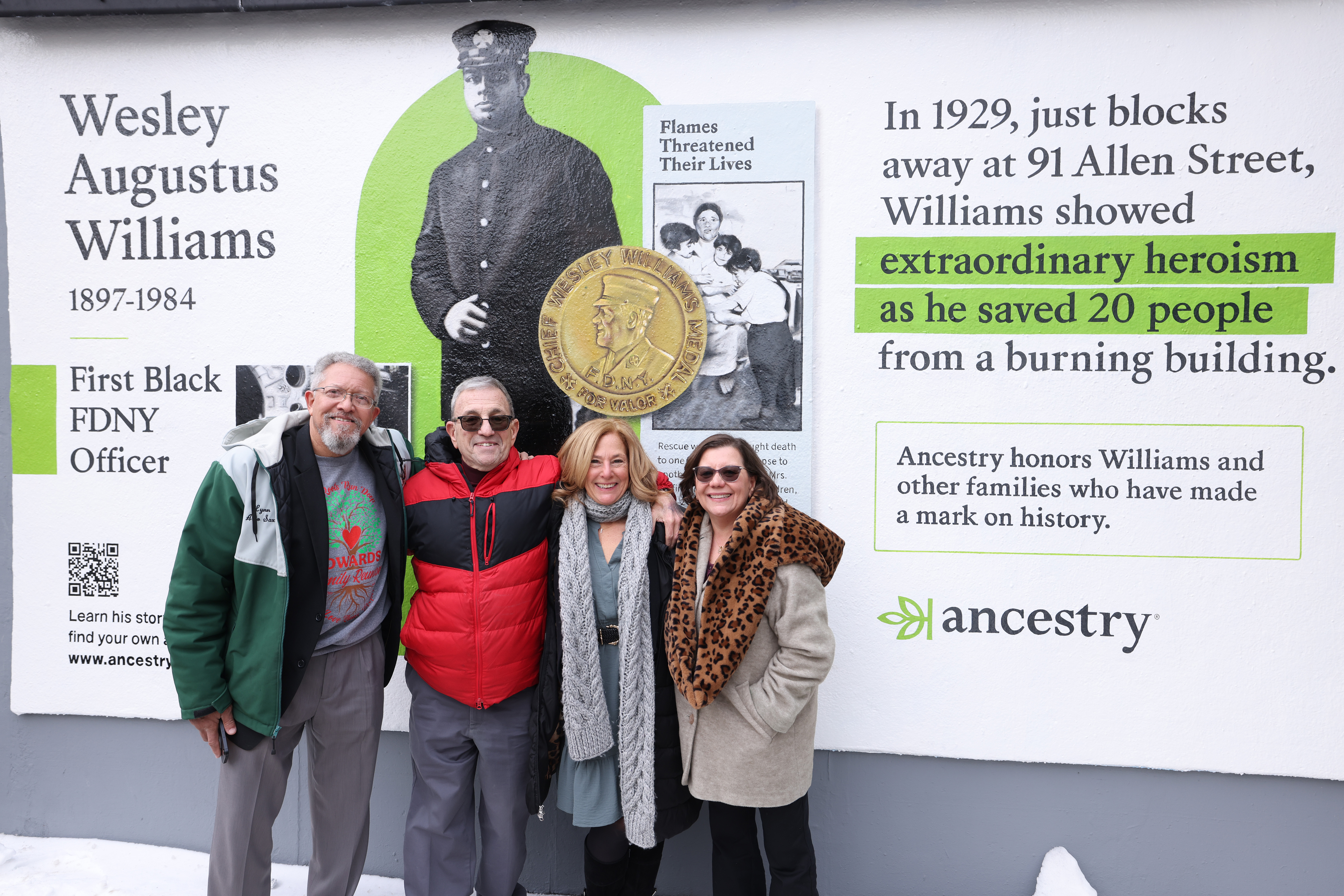 03 February 2026Ancestry Reunites Descendants of FDNY Hero and the Family He Saved
2 MIN READ
-
 27 January 2026Finding Your Roots: “The Road We Took” with Lizzy Caplan and Hasan Minhaj
2 MIN READ
-
 23 January 2026Honoring the Unforgettable: A Personal Path to Remembrance
2 MIN READ
-
 20 January 2026Finding Your Roots: “Caribbean Roots” with Liza Colón-Zayas and Delroy Lindo
2 MIN READ
-
 16 January 2026Celebrating Martin Luther King Jr. Day
3 MIN READ
-
 13 January 2026Finding Your Roots: “Great Migrations” with Wiz Khalifa and Sanaa Lathan
2 MIN READ
-
.jpg) 02 January 2026Finding Your Roots Season 12 Premiere
02 January 2026Finding Your Roots Season 12 Premiere2 MIN READ
-
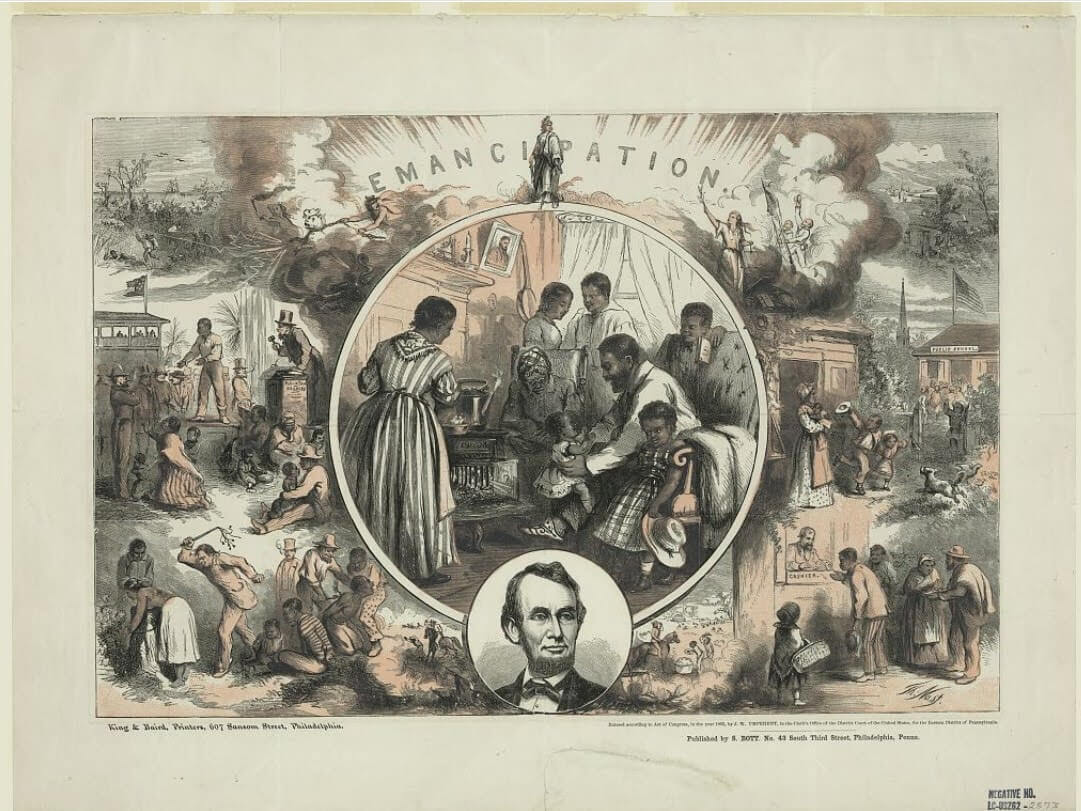 26 December 2025The Emancipation Proclamation and the Abolition of Slavery
5 MIN READ
-
 19 December 2025Using New Ancestral Journeys to Explore Your Latin American and Iberian Roots
5 MIN READ
-
 12 December 2025Family Traditions and Musical Expression
3 MIN READ
-
 05 December 2025Identifying Your French Ancestor's Birthplace in U.S. Records
5 MIN READ
-
 25 November 2025The Infinite Explorer: New Series on the Secret Threads that Shape Our World
2 MIN READ
-
 21 November 2025Virtual Travel as a Holiday (or Anytime) Gift
2 MIN READ
-
 18 November 2025How Melissa Joan Hart is Using Ancestry to Make the Holidays More Meaningful
2 MIN READ
-
 13 November 2025Two New Podcast Series: “Behind the Headlines of History” and “Unclaimed”
2 MIN READ
-
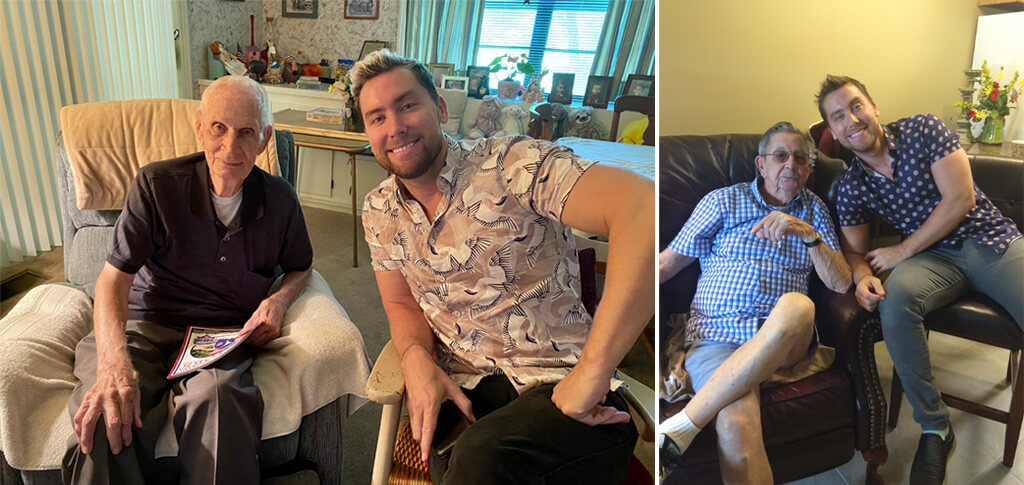 05 November 2025Lance Bass Partners with Ancestry to Honor His Grandfathers’ on Veterans Day
3 MIN READ
-
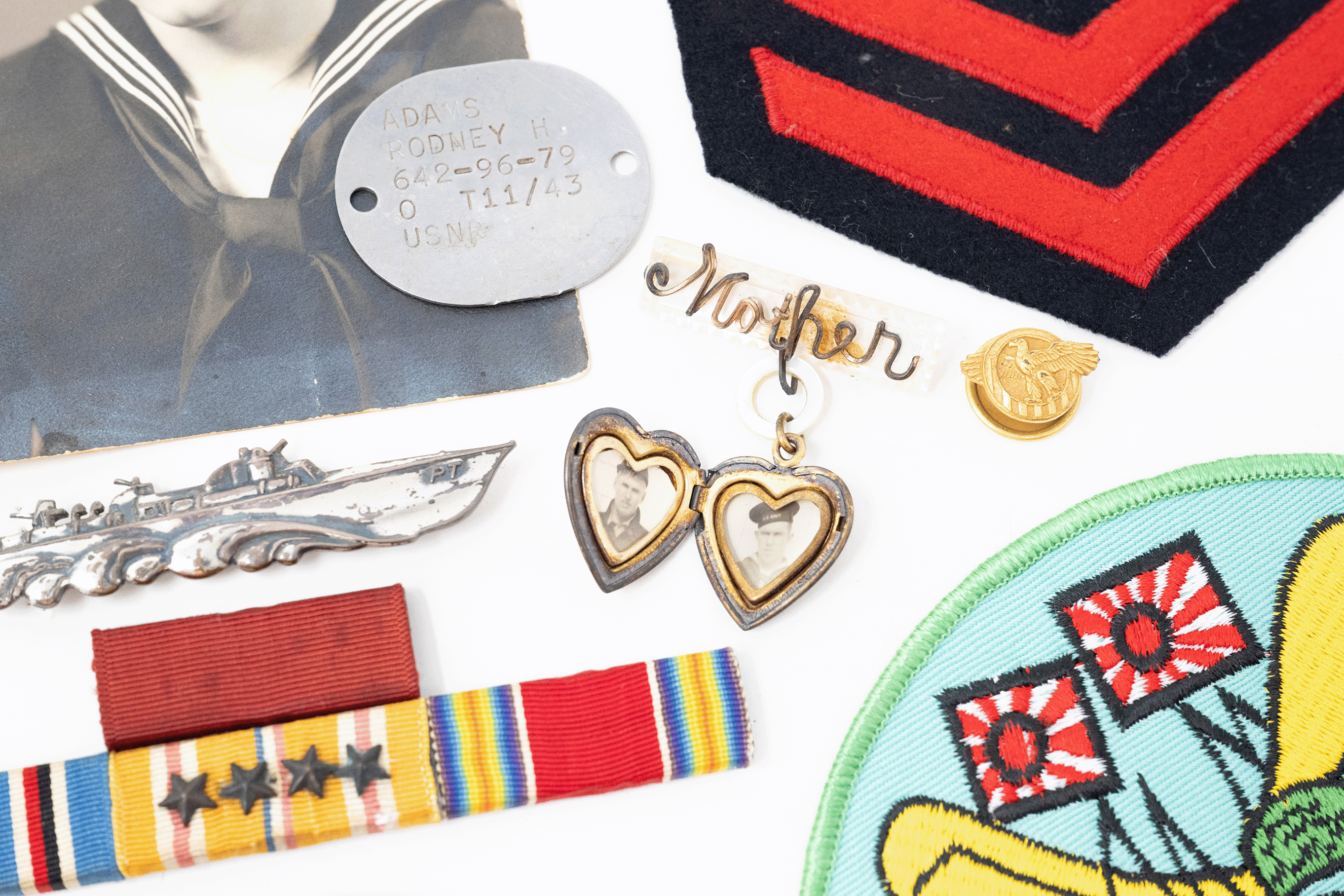 05 November 2025Preserving the Stories of WWII Heroes
3 MIN READ
-
 29 October 2025Ancestry and Wrexham AFC Team Up to Discover the "Story" in Your History
5 MIN READ
-
 27 October 20258 Celebs With Spooky Family Histories
5 MIN READ
-
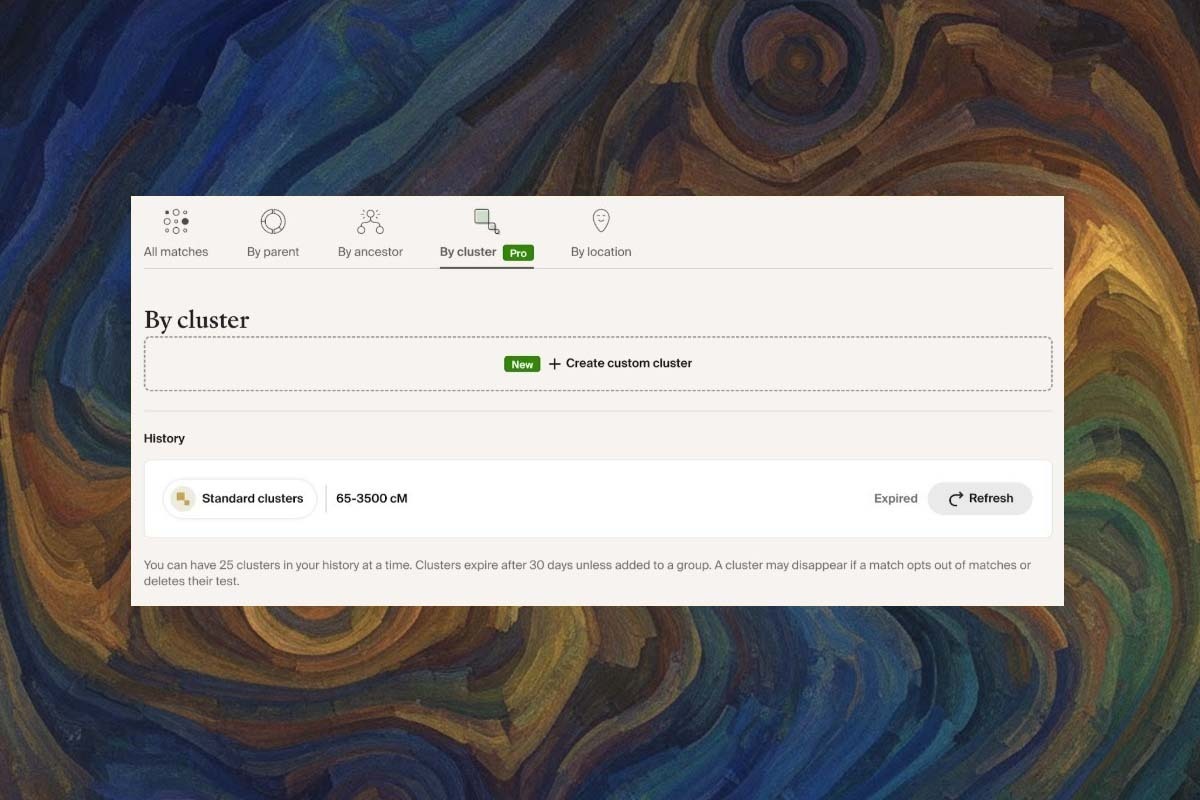 21 October 2025Introducing Custom Clusters: A Smarter Way to Find “Matches That Matter”
6 MIN READ
-
 14 October 2025Puerto Rican Civil Registration Marriage Records
4 MIN READ
-
 09 October 2025Deep Dive: AncestryDNA 2025 Origins Update
5 MIN READ
-
 03 October 2025October is Filipino American History Month
5 MIN READ
-
 30 September 2025French Last Names: Origins and Meanings
6 MIN READ
-
 15 September 2025Hispanic Heritage Month
5 MIN READ